What affects lead time at a custom Inconel parts manufacturer?
Publication Date
author
For buyers, engineers, and sourcing teams, lead time at a custom Inconel parts manufacturer is usually determined by a chain of technical and operational constraints rather than by CNC capacity alone. In practice, the biggest factors are raw material availability, alloy grade, machining difficulty, drawing completeness, tolerance and surface finish requirements, heat treatment, inspection scope, and how many outside processes must be coordinated. If you are evaluating suppliers for aerospace, medical, energy, or other high-performance applications, the fastest quote is not always the fastest real delivery. The more useful question is: which parts of the process are fixed, which are compressible, and which hidden risks can turn a promised lead time into a delay.
What usually drives lead time most at a custom Inconel parts manufacturer?
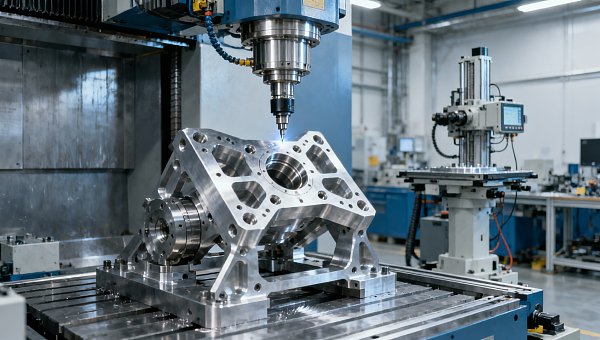
[[IMG:img_01]]The short answer is this: lead time is primarily affected by how difficult the part is to source, machine, verify, and release. Inconel is not a standard easy-cut material. It is chosen for heat resistance, corrosion resistance, and strength in severe service environments, but those same properties make manufacturing slower and more demanding.
For most projects, the largest lead-time drivers are:
- Material procurement: specific Inconel grades may have long mill lead times, especially in uncommon bar, plate, tube, or forged forms.
- Part geometry: deep pockets, thin walls, difficult internal features, and multi-axis contours increase setup and machining time.
- Tolerance and surface finish: tighter tolerances often require more machining passes, in-process checks, and possible secondary finishing.
- Heat treatment or stress relief: if required, it adds queue time and external processing coordination.
- Inspection and documentation: first article inspection, CMM reporting, material traceability, and certification review can extend release time.
- Quantity: prototype quantities may move quickly, while mid-volume custom runs can take longer because tooling strategy and process stability matter more.
- Outside processes: coating, EDM, grinding, welding, passivation, NDT, or special cleaning can create bottlenecks.
This matters because many buyers assume that a supplier with advanced machines can automatically deliver fast. In reality, a custom Inconel parts manufacturer is only as fast as the slowest critical step in the process chain.
How does Inconel material availability affect delivery schedules?
Material sourcing is often the first major constraint. Some Inconel grades are more commonly stocked than others, and the lead time changes significantly depending on form and size. A shop may be ready to machine immediately, but if the required grade is only available from a mill with a long production queue, the entire schedule shifts.
Lead time is affected by:
- Grade selection: common grades may be more available than niche aerospace or high-temperature variants.
- Material form: plate, round bar, ring, forging, or tube all have different sourcing patterns.
- Size and buy-to-fly ratio: oversized blanks or poor material utilization may require special ordering.
- Certification requirements: full traceability, mill test reports, and industry-specific documents can narrow sourcing options.
For procurement teams, one practical takeaway is to confirm whether the quoted lead time starts from available stock or from new mill procurement. That distinction can change delivery by weeks.
Why do part design and machining complexity add so much time?
Inconel is difficult to machine because it work-hardens, retains heat, and puts heavy stress on tooling. This means process planning matters far more than with easier metals. Even with modern equipment, complicated geometry can quickly increase cycle time and risk.
Features that commonly lengthen lead time include:
- High aspect-ratio pockets or slots
- Thin-wall structures prone to distortion
- Complex 5-axis surfaces
- Threads in hard-to-access areas
- Tight concentricity, flatness, or true position controls
- Low-tolerance mating features requiring multiple checks
This is where buyers comparing a titanium cnc machining supplier with an Inconel machining source should be careful. Although both materials are considered challenging, the process behavior is not identical. A supplier that performs well on titanium parts may not have the same tooling strategy, cutting data discipline, or process control for Inconel. Capability claims should be tied to actual alloy experience, not just general “superalloy” marketing language.
How do tolerances, inspection standards, and certifications influence lead time?
The more critical the application, the more likely inspection and documentation will become a meaningful portion of total lead time. This is especially true in aerospace, medical, energy, and high-spec industrial applications.
Lead time usually expands when the order requires:
- Full dimensional inspection instead of sampling
- CMM reports for complex geometry
- First article inspection (FAI)
- Material traceability from mill to finished part
- NDT or special process validation
- Regulated quality systems and formal release packages
For example, if a project crosses into medical manufacturing expectations, buyers may also benchmark an iso13485 medical machining factory. That does not mean every Inconel part requires ISO 13485, but it does show how quality-system expectations change scheduling. A tightly regulated workflow can reduce downstream risk, yet it often increases document review, inspection time, and release control.
For enterprise decision-makers, this is a tradeoff question, not just a timing question. Faster shipment with weak traceability can create much larger cost later if the parts fail incoming inspection, trigger qualification issues, or create field risk.
When do outside processes become the biggest bottleneck?
Many custom parts are delayed not on the CNC machine, but between operations. If a part needs heat treatment, grinding, EDM, welding, surface treatment, or special testing, the schedule becomes dependent on external partners or internal queue coordination.
Common delay points include:
- Waiting for subcontract heat treatment slots
- Additional straightening or rework after thermal processing
- Fixture redesign caused by distortion or tool wear findings
- Extra inspection after secondary operations
- Approval lag for documentation packages
This is why mature suppliers map lead time by process stage instead of giving a single undifferentiated number. A reliable manufacturer should be able to explain how much time is allocated to raw material, machining, outside processing, inspection, and packing.
What should buyers ask before trusting a quoted lead time?
If your team is comparing multiple suppliers, the most useful approach is to ask structured questions that reveal whether the quote is based on real process control or on optimistic sales assumptions.
Ask questions such as:
- Is the Inconel grade in stock, reserved, or subject to mill lead time?
- Does the quoted schedule include CAM programming, fixturing, and first-piece prove-out?
- Which steps are subcontracted?
- Are heat treatment and inspection included in the delivery promise?
- What documentation will be supplied at shipment?
- Has the supplier made similar Inconel geometries before?
- What are the main schedule risks on this specific drawing?
These questions are also useful when evaluating broader precision manufacturing capability, including 5 axis cnc machining aerospace china suppliers. In aerospace-oriented procurement, lead time credibility is tied not only to machine count, but also to planning discipline, traceability, process validation, and ability to handle technical exceptions without schedule collapse.
How can engineers and sourcing teams reduce lead time without increasing risk?
Some lead-time factors are fixed, but many can be improved upstream. The most effective way to shorten delivery is to remove preventable ambiguity before production begins.
Practical ways to reduce lead time include:
- Freeze the drawing early: revision changes during production are a common cause of delay.
- Specify only necessary tolerances: over-tolerancing slows machining and inspection.
- Align material grade with application need: avoid rare grades unless they are truly required.
- Clarify certification expectations at RFQ stage: do not add documentation requirements after machining starts.
- Design for manufacturability: simplify inaccessible features where possible.
- Approve alternates quickly: for noncritical dimensions, process flexibility can preserve schedule.
- Batch related operations: coordinated scheduling can reduce handoff losses.
For operators and engineering teams, this is where cross-functional planning matters. Procurement may focus on promised ship date, but engineering controls many of the variables that determine whether that date is realistic.
How should decision-makers evaluate a manufacturer beyond the quoted turnaround?
A fast quote is useful only if it is technically credible. The best custom Inconel parts manufacturer is not always the one offering the shortest number of days, but the one that can explain the process, identify risk early, and deliver repeatably.
Decision-makers should weigh:
- Lead time transparency rather than generic promises
- Documented experience with Inconel rather than broad material lists
- Inspection and traceability capability matched to application risk
- Control of subcontract processes
- Responsiveness during DFM review
- On-time delivery performance on similar work
In sectors where failure costs are high, schedule reliability usually matters more than nominal speed. A supplier that identifies risk at the RFQ stage can help prevent late engineering changes, NCRs, and missed production windows downstream.
In summary, lead time at a custom Inconel parts manufacturer is shaped by a combination of material availability, machining difficulty, tolerance requirements, special processing, inspection depth, and supply chain coordination. Buyers and engineers get the best results when they look beyond headline turnaround claims and evaluate how the supplier manages each stage of the process. Whether you are benchmarking an Inconel source against a titanium cnc machining supplier, an iso13485 medical machining factory, or 5 axis cnc machining aerospace china options, the key is the same: choose partners that can connect technical reality with delivery commitment. That is what reduces sourcing risk, protects schedules, and supports better long-term procurement decisions.
Search News
Hot Articles
- Carbon Fiber StructuresHow to Specify Aerospace Carbon Fiber Assemblies for Lightweight, Load-Bearing PartsJul 11, 2026
- Machine VisionXiaomi, Alibaba DAMO Academy Drive Open-Source Robotics Model Ecosystem, Lowering Algorithm Development Barriers for Overseas SMEs Adopting Chinese Robotics SolutionsMar 30, 2026
- Cobots & ArmsShanxi 'AI+' Conference Showcases Embodied Intelligence with Multinational Buyer Engagement: Key Industry ImplicationsMar 30, 2026
Popular Tags
Recommended News
 Jul 11, 2026How to Specify Aerospace Carbon Fiber Assemblies for Lightweight, Load-Bearing PartsAerospace carbon fiber assemblies: learn how to specify laminate design, load data, joining methods, and inspection controls for lighter, reliable load-bearing aerospace parts.Elena Rostova (UAV Systems Researcher)
 Mar 30, 2026Xiaomi, Alibaba DAMO Academy Drive Open-Source Robotics Model Ecosystem, Lowering Algorithm Development Barriers for Overseas SMEs Adopting Chinese Robotics SolutionsXiaomi & Alibaba DAMO Academy's open-source robotics models lower algorithm barriers for global SMEs. Boost efficiency in manufacturing, logistics & smart retail with ROS 2 compatible solutions.TSV Data Lab
 Mar 30, 2026Shanxi 'AI+' Conference Showcases Embodied Intelligence with Multinational Buyer Engagement: Key Industry ImplicationsShanxi 'AI+' Conference highlights embodied intelligence with Tesla, Ubtech & Jiantao showcasing multimodal robotics. 40+ global buyers validated tech on-site, creating new B2B channels for industrial automation & AI solutions.Chen Wei (Automation Lead Engineer)
 Mar 30, 2026Zhongguancun Unveils 6G Integrated Sensing-Computing-Intelligence Platform to Empower Embodied Robots for Global Industrial ApplicationsZhongguancun's new 6G platform revolutionizes industrial robotics with <10ms latency, empowering global automotive, logistics & port automation. Discover how this tech boosts China's smart manufacturing exports.TSV Data Lab
 Mar 30, 2026Mech-Mind Tianjin Embodied Intelligence R&D and Production Base Goes Live, Cutting Delivery Time by 20%–30% for Global Customized AMR+Vision SolutionsMech-Mind's Tianjin AMR+Vision production base cuts delivery time by 20%-30% for欧美 & Latin American markets. Discover how this PLd-certified facility accelerates customized robotics solutions for smart manufacturing and logistics.Chen Wei (Automation Lead Engineer)
 Mar 30, 2026Boao Forum Reveals 'Co-evolution of Big and Small Brains' Trend in Humanoid Robots, China's Embodied Intelligence Accelerates Adaptation to Overseas Manufacturing Service ScenariosDiscover how China's humanoid robots, featuring 'Co-evolution of Big and Small Brains,' are revolutionizing global manufacturing. Learn about Embodied Tian Gong 3.0's ISO compliance and overseas deployment at Boao Forum 2026.Chen Wei (Automation Lead Engineer)
 Mar 30, 2026China Railway Industrial Secures Patent for Embodied Robotics in Material Handling, Boosting High-Precision Delivery Capabilities for Overseas Infrastructure and Manufacturing ProjectsChina Railway Industrial's new patent for embodied robotics in material handling boosts high-precision delivery for global infrastructure & manufacturing. Discover how this innovation enhances logistics accuracy in automotive, rail transit & EPC projects.Chen Wei (Automation Lead Engineer)
 Oct 21, 2026Low-Latency Industrial Data Processing: Pricing and Key Cost DriversExplore industrial data latency price drivers, from edge hardware to integration and support. Learn how to compare quotes, verify performance, and avoid unnecessary costs.TSV Data Lab
 Oct 20, 2026KUKA Launches iiQKA.AI Vision to Simplify Industrial Image ProcessingKUKA iiQKA.AI Vision simplifies industrial image processing with controller-based 2D and 3D vision. Explore drag-and-drop setup for vision-guided automation.TSV Data Lab
 Oct 20, 2026Smart Industrial Edge Devices: Key Criteria for Legacy PLC IntegrationChoose smart industrial edge devices for legacy PLC integration. Discover key criteria for compatibility, data quality, security, and reliable collection without disrupting control.TSV Data Lab
 Oct 19, 2026Choosing a Radar Sensor by Application: Range, Resolution, and Field of ViewSimplify radar sensor application based product selection. Compare range, resolution, and field of view to avoid blind spots and choose with confidence. Explore the guide.TSV Data Lab
 Oct 18, 2026Comparing Material Options for Procurement: Specs, Costs, and Supply RisksExplore procurement oriented technical content on material options, specs, costs, and supply risks. Compare alternatives to cut hidden expenses and make confident sourcing decisions.Dr. Marcus Vance
 Oct 17, 20265-Axis CNC Positioning Accuracy: How to Interpret ISO 230-2 Test ResultsAssess 5 axis CNC machining positioning accuracy with ISO 230-2. Learn to interpret repeatability, reversal error, and test conditions to compare suppliers and make confident acceptance decisions.Dr. Marcus Vance
 Oct 16, 2026Choosing a Rugged Edge AI Box Supplier: Thermal Tests and Lifecycle SupportChoose a rugged edge AI box supplier with proven thermal performance and reliable lifecycle support. Discover the tests and commitments to verify before you buy.TSV Data Lab
 Oct 15, 2026R&D Cost Reduction Services: How to Evaluate Fees, Savings, and ROIEvaluate R&D cost reduction services with confidence. Compare fees, verify savings, and calculate ROI without compromising performance. Discover how to choose a provider that delivers real value.Chen Wei (Automation Lead Engineer)
 Oct 20, 2026How Do You Measure Industrial IoT Gateway Latency Under Load?Measure industrial IoT gateway latency under load with reliable timestamps, realistic traffic, and tail-latency analysis. Discover how to expose bottlenecks and choose the right gateway.TSV Data Lab
 Oct 19, 2026How Do You Verify That Precision Machined Parts Meet Tolerances?Master precision machining tolerance verification with the right tools, datum setups, and acceptance rules. Learn how to validate parts confidently and reduce costly inspection errors.Dr. Marcus Vance
 Oct 18, 2026What Should an AS9100 Machining Supplier Checklist Include?Build an AS9100 machining supplier checklist that verifies capability, traceability, inspection, and outsourced processes. Discover what to check before approving your next aerospace supplier.Dr. Marcus Vance
 Oct 17, 2026How Should You Interpret Industrial Robot Repeatability Specs?Decode industrial robot repeatability specifications, understand ISO 9283 test conditions, and avoid costly selection mistakes. Learn how to verify performance for your process.Chen Wei (Automation Lead Engineer)
 Oct 16, 2026How Can You Fairly Compare MTBF Across Industrial Servo Motors?Make a fair industrial servo motor MTBF comparison with matched operating profiles, failure criteria, and confidence bounds. Discover how to assess reliability beyond advertised numbers.Chen Wei (Automation Lead Engineer)
 Oct 15, 2026How Should You Compare TechStat Vanguard 5-Axis CNC Tolerances?TechStat Vanguard 5-axis CNC tolerance comparison: learn how to verify part accuracy, assess inspection evidence, and choose suppliers that reliably meet your drawing requirements.Dr. Marcus Vance
 Oct 14, 2026Drone Frame Composites: Carbon Fiber vs. Fiberglass for Weight and StiffnessExplore drone structural materials composites: compare carbon fiber and fiberglass for weight, stiffness, cost, and antenna compatibility. Find the right material for your drone frame.Elena Rostova (UAV Systems Researcher)
 Oct 13, 2026Smart Cameras vs. PC-Based Machine Vision: Which Fits High-Speed Inspection?This industrial product comparison for machine vision weighs smart cameras vs. PC-based systems on latency, throughput, and cost. Discover your best fit for high-speed inspection.TSV Data Lab
 Oct 12, 2026How to Verify RoHS Compliance in Industrial Sensing Systems Before DeploymentRoHS compliant sensing systems: learn how to verify materials, supplier declarations, testing, and configuration controls before industrial deployment.TSV Data Lab