How to Choose Trampoline Park Equipment for High Turnover
Publication Date
author
Choosing trampoline park equipment for a high-turnover venue is not just about adding more attractions—it is about balancing durability, safety, throughput, and long-term operating cost. For procurement teams, the right decision can directly affect customer flow, maintenance cycles, and return on investment. This guide explains how to evaluate trampoline park equipment with a practical, performance-focused mindset.
In a busy indoor recreation business, equipment is not a decorative purchase. It is a capacity asset. Every frame weld, spring specification, pad density, and traffic layout decision influences how many guests can move safely through the park in a 1-hour session, how often a zone must be closed for repair, and how quickly capital expenditure can be recovered.
For procurement professionals, the challenge is often not finding trampoline park equipment suppliers. It is filtering out vague claims and comparing options using measurable criteria. A high-turnover venue typically needs equipment that can absorb repeated impacts across 8–12 operating hours per day, support fast reset between sessions, and maintain acceptable service life over 3–5 years or more.
Define High-Turnover Requirements Before Comparing Equipment
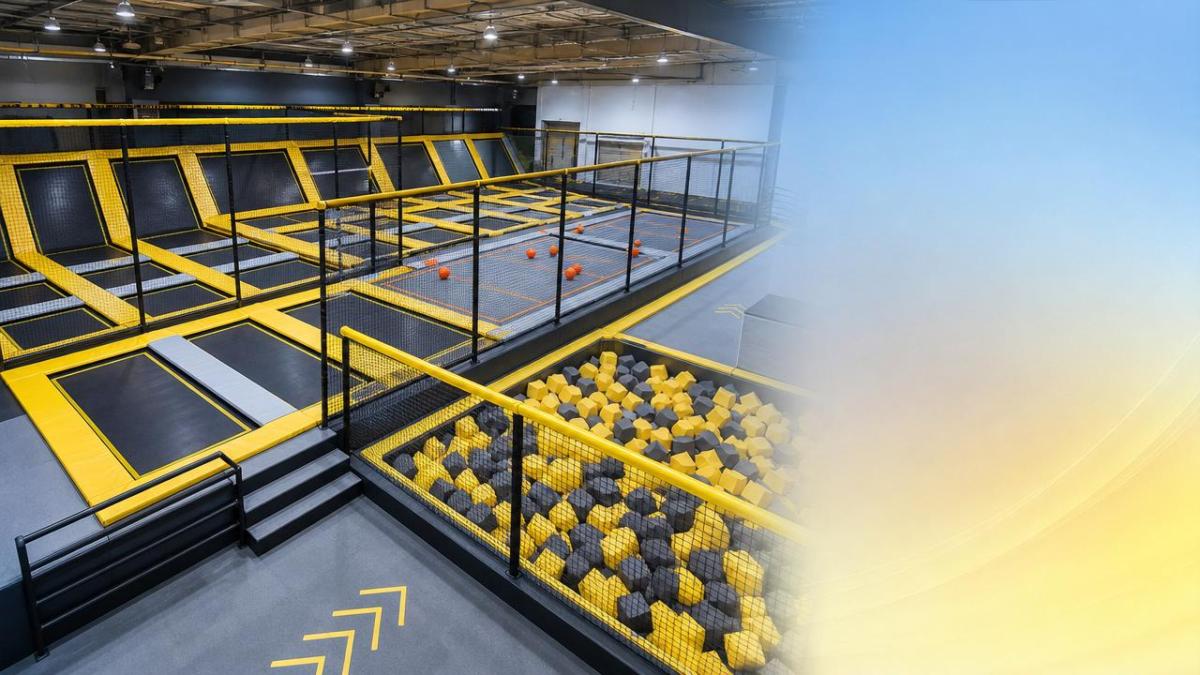
Before reviewing catalogs, procurement teams should define what “high turnover” means in operational terms. In most trampoline parks, this includes high daily footfall, short session cycles, frequent peak-hour crowding, and limited downtime tolerance. Without these baseline assumptions, even good trampoline park equipment can become a poor fit.
Start with throughput, not just attraction count
A venue with 150–300 guests per day has very different wear patterns from one processing 800–1,500 guests across weekends and holidays. Procurement should estimate average users per zone per hour, session length such as 45–90 minutes, and expected occupancy ratio during peak periods. These numbers shape frame loading cycles, mat fatigue, and padding replacement frequency.
In practical terms, a park with 10 attractions but poor circulation may underperform a park with 6 well-designed zones. High-turnover procurement should therefore prioritize movement efficiency, queue reduction, and rapid user rotation. Equipment selection must support operations, not just visual variety.
Map user groups and impact intensity
Not all users stress trampoline park equipment in the same way. Children under 8, teenagers, family groups, and adult fitness users generate different impact profiles. Dodgeball courts, performance trampolines, foam pit approaches, and launch lanes also experience different landing frequencies and lateral forces.
- Junior play zones usually require softer interfaces and lower deck heights.
- Main jump arenas need balanced durability and capacity for continuous traffic.
- High-performance zones often require tighter tolerance, stronger bed response, and stricter supervision planning.
- Obstacle and ninja-style elements need reinforced connection points due to multidirectional stress.
Build a procurement specification sheet around measurable factors
The most effective buying process uses a structured evaluation sheet. Instead of comparing only price per square meter, teams should score at least 6 core factors: frame material, jumping surface life cycle, padding density, modular replacement design, maintenance interval, and supplier documentation quality.
The table below provides a practical framework procurement teams can adapt when comparing trampoline park equipment for high-turnover environments.
The key takeaway is that trampoline park equipment should be selected against operating load, not showroom appearance. A supplier that can explain inspection intervals, wear components, and replacement logic is often more valuable than one offering the largest attraction list.
Evaluate Structural Durability and Safety as Procurement Priorities
For high-turnover sites, durability and safety are inseparable. Equipment that wears too quickly creates operational risk, while equipment designed only for maximum bounce without controlled protection can increase incident exposure. Procurement teams should review structural details with the same discipline used in other high-use commercial assets.
Frame strength, corrosion resistance, and joint design
The steel frame is the backbone of trampoline park equipment. Buyers should ask about steel thickness ranges, protective coating method, weld consistency, and anchor design. In humid indoor conditions or mixed-use spaces with food service and HVAC fluctuations, corrosion resistance matters over a 24–60 month life cycle.
Procurement should also examine whether the layout uses modular frame sections. Modular structures can shorten repair windows from several days to a few hours when one bay or lane needs replacement. This is especially important in parks where weekend closures create disproportionate revenue loss.
Jumping surface, springs, and energy return balance
The jumping bed should be assessed for abrasion resistance, stitch integrity, and response consistency under repeated load. High-turnover venues do not simply need the strongest bounce. They need controlled, repeatable performance across hundreds or thousands of impact cycles per day.
Likewise, springs or alternative elastic systems should be reviewed for fatigue behavior and ease of replacement. A component that is cheaper at purchase but requires 20% more replacement labor over 2 years may raise total operating cost well above the initial savings.
Questions procurement should ask suppliers
- What are the recommended inspection points every 7, 30, and 90 days?
- Which wear components are expected to be replaced first in heavy-use parks?
- Can individual mats, pads, or spring assemblies be replaced without shutting down the full zone?
- What spare-parts lead time is typical: 7–15 days, 3–4 weeks, or longer?
- What user weight range and traffic assumptions were used in the design basis?
Padding, netting, and fall-zone protection
Padding is often underestimated because it appears simple. In reality, pad compression retention, cover material durability, seam quality, and attachment stability have a direct effect on guest safety and visual wear. In high-turnover environments, thin or poorly secured padding may show deterioration in less than 12 months.
For areas with angled walls, basketball lanes, or elevated obstacle sections, procurement should verify whether padding systems are designed for repeated edge impact rather than occasional use. The same logic applies to netting and divider systems, which should be selected based on traffic pattern and containment function.
Choose an Equipment Mix That Increases Revenue Per Square Meter
A profitable park is not built by packing in as many features as possible. It is built by matching trampoline park equipment to user flow, dwell time, and repeat-visit behavior. Procurement teams should analyze how each attraction contributes to rotation efficiency, staffing needs, and age-group coverage.
Balance anchor attractions with high-capacity zones
Some features drive marketing appeal but create bottlenecks. Others process users efficiently but add less visual excitement. A high-turnover venue usually needs both. Main courts, angled wall trampolines, and open jump areas often deliver strong hourly capacity, while foam pits, challenge elements, and stunt features may require stricter spacing and supervision.
As a working rule, procurement teams should separate attractions into 3 categories: high-capacity core zones, medium-throughput interactive zones, and premium-experience features. This helps prevent overinvestment in low-throughput equipment that consumes too much floor space.
Compare equipment types by turnover impact
The table below outlines how different trampoline park equipment categories typically affect throughput, maintenance burden, and operational complexity.
This comparison shows why equipment mix matters as much as equipment quality. For many operators, the best result comes from allocating a larger share of floor area to high-capacity, low-downtime zones, then using a smaller share for signature features that support branding and ticket premium.
Plan for demographic flexibility
A venue that can serve only one age bracket may see unstable weekday utilization. Procurement should favor trampoline park equipment configurations that can support family sessions, school groups, birthday events, and teen traffic with limited reconfiguration. That often means using modular sections, adjustable challenge difficulty, and clear separation between junior and general zones.
Procurement Risks, Supplier Screening, and Total Cost Control
The purchasing decision should not end with product comparison. Supplier capability, installation planning, documentation quality, and after-sales responsiveness all influence the long-term value of trampoline park equipment. A lower upfront quote can become expensive if spare parts are slow, drawings are incomplete, or maintenance guidance is weak.
Look beyond unit price to total cost of ownership
Procurement should estimate cost across at least 4 layers: acquisition, freight and installation, preventive maintenance, and wear-part replacement. In many projects, the difference between two suppliers on initial price may be less significant than the difference in 24-month service burden.
A practical internal model can compare expected maintenance labor per month, planned replacement intervals, spare-part stock recommendation, and revenue impact from zone downtime. Even a 5%–8% increase in uptime can materially improve annual returns in busy venues.
Supplier screening checklist for procurement teams
When evaluating trampoline park equipment suppliers, use a standardized checklist rather than relying on sales presentations. This reduces procurement bias and helps cross-functional review among operations, safety, and finance teams.
- Request installation drawings and maintenance manuals before final approval.
- Confirm whether spare parts can be stocked locally or regionally.
- Review the recommended preventive maintenance schedule in weekly, monthly, and annual intervals.
- Ask for clarity on excluded items such as flooring interfaces, anchoring conditions, or local compliance work.
- Verify whether training is included for inspectors, technicians, and front-line supervisors.
- Check lead times for production and shipment, which commonly range from 4–12 weeks depending on project scope.
Common buying mistakes
One common mistake is purchasing visually attractive equipment that is difficult to repair in sections. Another is underestimating consumables such as pads, covers, and minor hardware. A third is failing to align attraction design with staffing levels. If a zone requires one attendant at all times but generates limited throughput, operating margin can narrow quickly.
Procurement teams should also avoid accepting generic product sheets with no detail on wear points, load assumptions, or replacement logic. In high-turnover applications, missing technical detail usually leads to uncertainty later in operation.
Implementation, Maintenance, and Long-Term Performance Planning
Even well-selected trampoline park equipment can underperform without a disciplined rollout and maintenance plan. Procurement should work closely with operations from pre-installation through the first 90 days. The handover process is where many avoidable issues are either prevented or embedded.
A 5-step implementation approach
- Confirm site dimensions, ceiling clearance, utilities, and floor load conditions.
- Freeze the attraction mix based on throughput, staffing, and target demographics.
- Review installation sequence and component labeling for easier future replacement.
- Train staff on daily inspection, cleaning, and incident-response procedures.
- Track the first 30, 60, and 90 days of wear patterns to refine spare-part planning.
Create a maintenance model before opening day
The highest-performing operators do not wait for failures. They schedule inspections by zone, classify components by wear rate, and maintain a basic stock of fast-moving replacement items. For example, heavily used lanes may need more frequent visual checks, while frame and anchor inspections can follow longer intervals.
A practical maintenance plan should separate daily checks, weekly tightening and surface review, monthly wear-part audits, and quarterly structural assessment. This disciplined approach helps extend service life and protect guest experience during busy seasons.
Use data to improve future procurement decisions
Procurement should ask operations teams to capture a small set of metrics after launch: downtime hours per month, replacement parts by category, incident hotspots, and attraction utilization. Over a 6–12 month period, this operating data becomes more valuable than any brochure because it shows which trampoline park equipment choices truly support high turnover.
For buyers managing multiple venues or expansion plans, this data-led approach creates a repeatable procurement standard. It also aligns with a more engineering-focused buying model, where decisions are based on measurable performance rather than broad marketing language.
Selecting trampoline park equipment for a high-turnover venue requires more than checking product features. Procurement teams need to assess throughput, durability, safety interfaces, serviceability, equipment mix, and total cost over time. The strongest purchasing decisions come from clear specifications, structured supplier comparison, and close coordination with operations after installation.
If your team is evaluating new-build or replacement solutions, a data-led review can reduce trial-and-error, shorten supplier screening time, and improve long-term asset performance. Contact us to discuss your project requirements, request a tailored equipment evaluation framework, or explore more solutions for efficient trampoline park procurement.
Search News
Hot Articles
- Carbon Fiber StructuresHow to Specify Aerospace Carbon Fiber Assemblies for Lightweight, Load-Bearing PartsJul 11, 2026
- Machine VisionXiaomi, Alibaba DAMO Academy Drive Open-Source Robotics Model Ecosystem, Lowering Algorithm Development Barriers for Overseas SMEs Adopting Chinese Robotics SolutionsMar 30, 2026
- Cobots & ArmsShanxi 'AI+' Conference Showcases Embodied Intelligence with Multinational Buyer Engagement: Key Industry ImplicationsMar 30, 2026
Popular Tags
Recommended News
 Jul 11, 2026How to Specify Aerospace Carbon Fiber Assemblies for Lightweight, Load-Bearing PartsAerospace carbon fiber assemblies: learn how to specify laminate design, load data, joining methods, and inspection controls for lighter, reliable load-bearing aerospace parts.Elena Rostova (UAV Systems Researcher)
 Mar 30, 2026Xiaomi, Alibaba DAMO Academy Drive Open-Source Robotics Model Ecosystem, Lowering Algorithm Development Barriers for Overseas SMEs Adopting Chinese Robotics SolutionsXiaomi & Alibaba DAMO Academy's open-source robotics models lower algorithm barriers for global SMEs. Boost efficiency in manufacturing, logistics & smart retail with ROS 2 compatible solutions.TSV Data Lab
 Mar 30, 2026Shanxi 'AI+' Conference Showcases Embodied Intelligence with Multinational Buyer Engagement: Key Industry ImplicationsShanxi 'AI+' Conference highlights embodied intelligence with Tesla, Ubtech & Jiantao showcasing multimodal robotics. 40+ global buyers validated tech on-site, creating new B2B channels for industrial automation & AI solutions.Chen Wei (Automation Lead Engineer)
 Mar 30, 2026Zhongguancun Unveils 6G Integrated Sensing-Computing-Intelligence Platform to Empower Embodied Robots for Global Industrial ApplicationsZhongguancun's new 6G platform revolutionizes industrial robotics with <10ms latency, empowering global automotive, logistics & port automation. Discover how this tech boosts China's smart manufacturing exports.TSV Data Lab
 Mar 30, 2026Mech-Mind Tianjin Embodied Intelligence R&D and Production Base Goes Live, Cutting Delivery Time by 20%–30% for Global Customized AMR+Vision SolutionsMech-Mind's Tianjin AMR+Vision production base cuts delivery time by 20%-30% for欧美 & Latin American markets. Discover how this PLd-certified facility accelerates customized robotics solutions for smart manufacturing and logistics.Chen Wei (Automation Lead Engineer)
 Mar 30, 2026Boao Forum Reveals 'Co-evolution of Big and Small Brains' Trend in Humanoid Robots, China's Embodied Intelligence Accelerates Adaptation to Overseas Manufacturing Service ScenariosDiscover how China's humanoid robots, featuring 'Co-evolution of Big and Small Brains,' are revolutionizing global manufacturing. Learn about Embodied Tian Gong 3.0's ISO compliance and overseas deployment at Boao Forum 2026.Chen Wei (Automation Lead Engineer)
 Mar 30, 2026China Railway Industrial Secures Patent for Embodied Robotics in Material Handling, Boosting High-Precision Delivery Capabilities for Overseas Infrastructure and Manufacturing ProjectsChina Railway Industrial's new patent for embodied robotics in material handling boosts high-precision delivery for global infrastructure & manufacturing. Discover how this innovation enhances logistics accuracy in automotive, rail transit & EPC projects.Chen Wei (Automation Lead Engineer)
 Sep 28, 2026Spindle Runout Measurement in Germany: DIN Standards, Methods, and Acceptance LimitsSpindle runout measurement Germany: explore DIN standards, proven methods, acceptance limits, and audit-ready practices for reliable machining quality.Dr. Marcus Vance
 Sep 27, 2026How to Select Wall-Mount Edge Devices for Space-Constrained Factory NetworksWall mount edge devices for space-constrained factories: evaluate workload, thermal design, power resilience, cable access, and network reliability for smarter deployments.TSV Data Lab
 Sep 26, 2026Machining Tolerance Analysis: How to Set Limits That Meet Function and Cost TargetsMachining tolerance analysis: learn how to set functional limits, control tolerance stacks, reduce inspection risk, and balance precision with production cost.Dr. Marcus Vance
 Sep 25, 2026How to Evaluate an Industrial Infrastructure Data Platform for Multi-Site OperationsIndustrial infrastructure data platform evaluation guide for multi-site operations: compare data quality, edge resilience, interoperability, governance, and scalable proof-of-value criteria.Victor Lin (Chief Software Architect)
 Sep 24, 2026How to Select Machine Vision Optics for Accurate Inspection at Different Working DistancesMachine vision optics selection guide for accurate inspection at every working distance. Compare FOV, pixel scale, DOF, distortion, lighting, and telecentric options.TSV Data Lab
 Sep 23, 2026How to Evaluate a Machine Vision System Integrator for High-Speed Inspection LinesChoose a machine vision system integrator with proven expertise in high-speed inspection, reliable reject timing, robust optics, and measurable acceptance criteria.TSV Data Lab
 Sep 28, 2026When is a SCADA API the right choice for connecting plant systems?SCADA API guide: learn when governed plant data integration improves traceability, security, and scalability—without compromising real-time control.Victor Lin (Chief Software Architect)
 Sep 27, 2026How SCADA data integration improves traceability across production linesSCADA data integration connects production-line data to improve traceability, accelerate quality investigations, and strengthen safety decisions.Victor Lin (Chief Software Architect)
 Sep 26, 2026What to define before starting SCADA integration planningSCADA integration planning starts with clear scope, control boundaries, data models, cybersecurity, and testing. Discover the definitions that reduce risk and costly rework.Victor Lin (Chief Software Architect)
 Sep 25, 2026How a smart factory with Industrial IoT reduces production blind spotsDiscover how a smart factory with Industrial IoT turns real-time machine, quality, and workflow data into actionable insights that reduce production blind spots and delivery risks.Victor Lin (Chief Software Architect)
 Sep 24, 2026When does Industrial IoT make smart manufacturing easier to scale?Smart manufacturing Industrial IoT scales when trusted data, interoperable systems, and secure workflows turn connected assets into measurable gains.TSV Data Lab
 Sep 23, 2026What drives ultra-precision machining cost at 1-micron tolerance?Ultra precision machining cost per part at 1 micron tolerance depends on process, material, metrology, and yield. Learn how to compare quotes confidently.Dr. Marcus Vance
 Sep 22, 2026Drone Engine-T550CC Applications: Build the UAV Power System Around the MissionAn application guide for Drone Engine-T550CC integration, covering payload planning, airframe matching, cooling, fuel, vibration, test procedures, documentation, and service preparation.Elena Rostova (UAV Systems Researcher)
 Sep 22, 2026How to Evaluate Industrial Edge Computing Vendors for Factory DeploymentIndustrial edge computing vendor evaluation guide for factories: compare latency, protocol fit, reliability, security, and lifecycle support before deployment.TSV Data Lab
 Sep 21, 2026Drone Payload Integration: Matching Power, Data, and Center of Gravity for Reliable FlightsDrone payload integration made practical: balance power, data, center of gravity, and endurance to build safer, more reliable mission-ready flights.Elena Rostova (UAV Systems Researcher)
 Sep 20, 2026Autonomous Navigation Pricing: Cost Drivers and Budget Benchmarks for AMR ProjectsAutonomous navigation price explained: compare AMR cost drivers, software, sensors, integration, safety, and lifecycle budgets to build a scalable project plan.Chen Wei (Automation Lead Engineer)
 Sep 19, 2026How to Scope Automation Integration Services for Multi-System Factory ProjectsAutomation integration services: learn how to scope multi-system factory projects with clear workflows, interface contracts, safety boundaries, and acceptance criteria.Victor Lin (Chief Software Architect)