How to judge titanium CNC quality for surgical tools
Publication Date
author
For technical evaluators sourcing titanium cnc for surgical instruments, quality cannot be judged by shine alone.
The current manufacturing shift favors evidence-based verification, not sales language.
In medical machining, small deviations can change fit, sterilization behavior, and in-use reliability.
That is why titanium cnc for surgical instruments must be assessed through measurable engineering checkpoints.
This article explains the trend signals, root causes, quality impact, and practical judgment criteria that matter now.
Why titanium CNC quality standards for surgical tools are becoming stricter
Across advanced manufacturing, verification expectations are rising.
Medical components are now reviewed with deeper attention to process capability, traceability, and repeatable precision.
For titanium cnc for surgical instruments, this trend is especially visible.
Titanium offers corrosion resistance, biocompatibility, and high strength-to-weight performance.
Yet it is difficult to machine because of heat concentration, springback, and tool wear sensitivity.
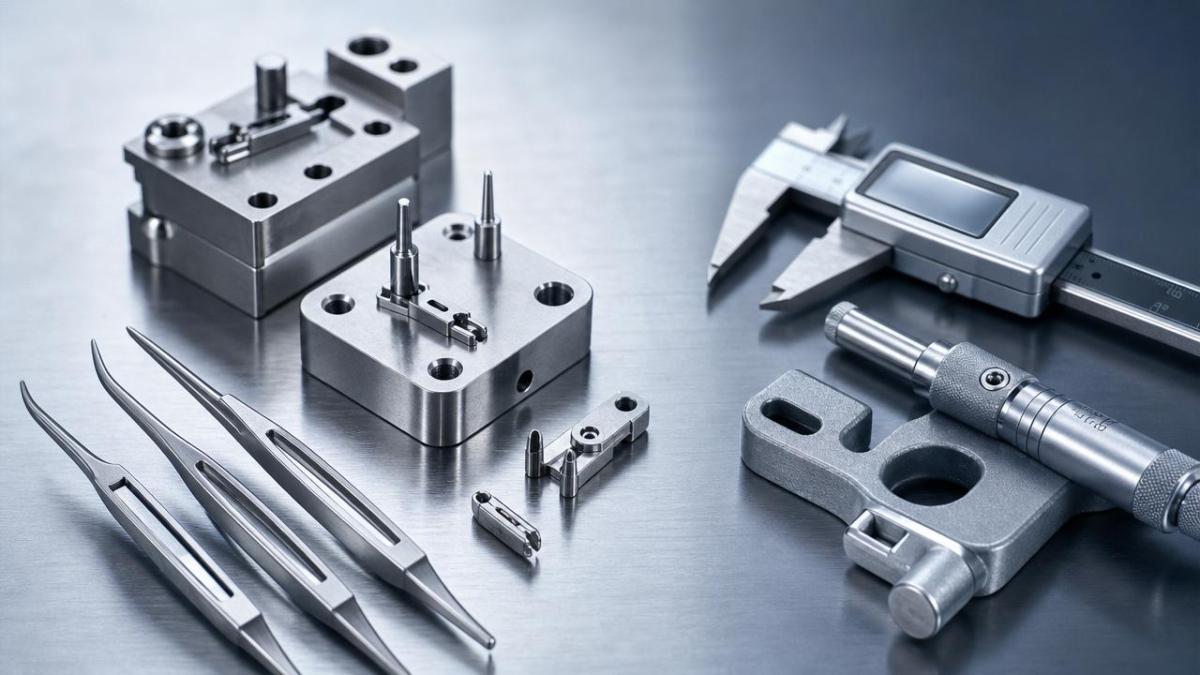
As a result, quality gaps between suppliers often appear in details that are invisible in photos.
The market is also shifting from simple part supply to documented manufacturing assurance.
Inspection records, machine capability, and medical compliance now influence supplier approval as much as price.
The strongest signals behind this shift in titanium CNC evaluation
Several forces are pushing tighter scrutiny of titanium cnc for surgical instruments.
These signals show a clear pattern.
Buyers increasingly judge titanium cnc for surgical instruments through process evidence, not visual impression.
What really defines high-quality titanium CNC for surgical instruments
A reliable judgment framework starts with critical engineering factors.
1. Dimensional tolerance and feature consistency
The first checkpoint is not average accuracy, but stable accuracy across batches.
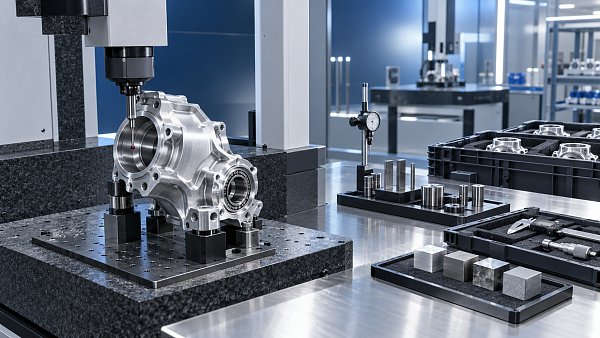
For titanium cnc for surgical instruments, hole position, slot width, jaw symmetry, and tip geometry are often decisive.
Ask for tolerance ranges, CPK data, and measurement methods.
A supplier that only states “high precision” provides no engineering value.
2. Burr control and edge condition
Burrs are a major quality signal in surgical tool machining.
Titanium tends to form smeared edges if speed, feed, or tool wear are mismanaged.
Check whether deburring is standardized or done manually without criteria.
Consistent edge radius control is often more meaningful than mirror-like appearance.
3. Material traceability and titanium grade control
Not all titanium behaves the same in machining or end use.
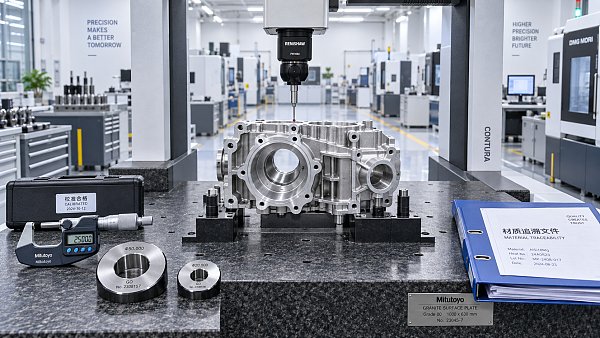
Grade certification, heat number tracking, and mill test reports should be available.
For titanium cnc for surgical instruments, traceability helps verify both compliance and machining consistency.
Without it, root-cause analysis becomes difficult if a batch fails inspection.
4. Toolpath stability and thermal control
Titanium holds heat near the cutting zone.
This raises the risk of chatter, tool deflection, and surface tearing.
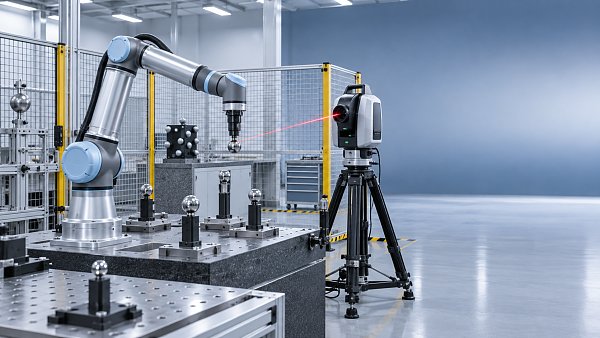
Good titanium cnc for surgical instruments depends on stable fixturing, tool life monitoring, and optimized cutting paths.
If a supplier cannot explain these controls, hidden variation is likely.
5. Surface integrity beyond roughness numbers
Surface roughness matters, but it is not the full story.
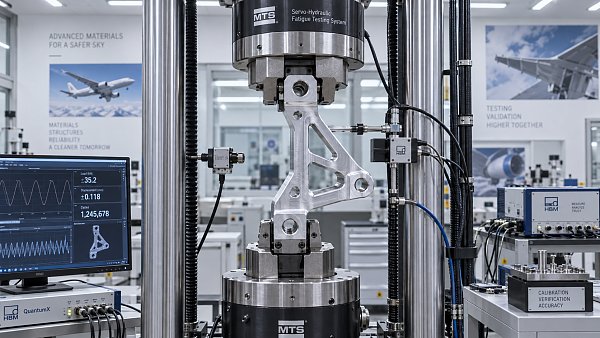
Surface integrity also includes microcracks, residual stress, embedded particles, and recast damage from secondary operations.
A low Ra value alone does not prove safe titanium cnc for surgical instruments.
How these quality shifts affect sourcing, validation, and downstream performance
The impact goes beyond machining acceptance.
Poor titanium cnc for surgical instruments can create assembly variation, sterilization residue traps, and unstable field performance.
When tolerances drift, tool articulation and mating parts may lose repeatability.
When burr control fails, post-processing cost increases and inspection bottlenecks grow.
When traceability is weak, qualification cycles become slower because each issue needs broader investigation.
This is why quality evaluation now connects directly to time-to-approval and lifecycle confidence.
- Higher validation burden when process capability data is missing
- More rework if edge conditions vary between lots
- Greater risk during audits if material records are incomplete
- Reduced confidence in scale-up for multi-part surgical programs
The quality checkpoints that deserve the closest attention now
The most useful review points are practical and documentable.
- Verify titanium grade certificates and lot-level traceability records.
- Review dimensional reports for critical features, not just overall pass rates.
- Inspect burr thresholds, edge break standards, and deburring consistency.
- Confirm whether 5-axis machining strategies are validated for part geometry.
- Check tool wear management and replacement criteria.
- Ask for surface roughness data together with surface integrity controls.
- Review cleaning, passivation, and contamination prevention methods.
- Confirm ISO 13485 alignment and relevant inspection documentation.
These points reveal whether titanium cnc for surgical instruments is managed as a controlled medical process.
They also help compare suppliers using engineering facts instead of promises.
A practical decision framework for comparing titanium CNC capability
What to do next when judging titanium CNC for surgical instruments
A better decision starts with a tighter evidence request.
Ask for a sample package containing drawing review notes, inspection reports, material certificates, and burr inspection images.
Then compare process clarity, not just quoted tolerance.
For titanium cnc for surgical instruments, the strongest partners explain how quality is sustained from first article to repeat production.
That approach aligns with the data-first engineering mindset promoted by TechStat Vanguard.
In a market crowded with polished claims, measurable controls remain the most reliable proof of quality.
Search News
Hot Articles
- Carbon Fiber StructuresHow to Specify Aerospace Carbon Fiber Assemblies for Lightweight, Load-Bearing PartsJul 11, 2026
- Machine VisionXiaomi, Alibaba DAMO Academy Drive Open-Source Robotics Model Ecosystem, Lowering Algorithm Development Barriers for Overseas SMEs Adopting Chinese Robotics SolutionsMar 30, 2026
- Cobots & ArmsShanxi 'AI+' Conference Showcases Embodied Intelligence with Multinational Buyer Engagement: Key Industry ImplicationsMar 30, 2026
Popular Tags
Recommended News
 Jul 11, 2026How to Specify Aerospace Carbon Fiber Assemblies for Lightweight, Load-Bearing PartsAerospace carbon fiber assemblies: learn how to specify laminate design, load data, joining methods, and inspection controls for lighter, reliable load-bearing aerospace parts.Elena Rostova (UAV Systems Researcher)
 Mar 30, 2026Xiaomi, Alibaba DAMO Academy Drive Open-Source Robotics Model Ecosystem, Lowering Algorithm Development Barriers for Overseas SMEs Adopting Chinese Robotics SolutionsXiaomi & Alibaba DAMO Academy's open-source robotics models lower algorithm barriers for global SMEs. Boost efficiency in manufacturing, logistics & smart retail with ROS 2 compatible solutions.TSV Data Lab
 Mar 30, 2026Shanxi 'AI+' Conference Showcases Embodied Intelligence with Multinational Buyer Engagement: Key Industry ImplicationsShanxi 'AI+' Conference highlights embodied intelligence with Tesla, Ubtech & Jiantao showcasing multimodal robotics. 40+ global buyers validated tech on-site, creating new B2B channels for industrial automation & AI solutions.Chen Wei (Automation Lead Engineer)
 Mar 30, 2026Zhongguancun Unveils 6G Integrated Sensing-Computing-Intelligence Platform to Empower Embodied Robots for Global Industrial ApplicationsZhongguancun's new 6G platform revolutionizes industrial robotics with <10ms latency, empowering global automotive, logistics & port automation. Discover how this tech boosts China's smart manufacturing exports.TSV Data Lab
 Mar 30, 2026Mech-Mind Tianjin Embodied Intelligence R&D and Production Base Goes Live, Cutting Delivery Time by 20%–30% for Global Customized AMR+Vision SolutionsMech-Mind's Tianjin AMR+Vision production base cuts delivery time by 20%-30% for欧美 & Latin American markets. Discover how this PLd-certified facility accelerates customized robotics solutions for smart manufacturing and logistics.Chen Wei (Automation Lead Engineer)
 Mar 30, 2026Boao Forum Reveals 'Co-evolution of Big and Small Brains' Trend in Humanoid Robots, China's Embodied Intelligence Accelerates Adaptation to Overseas Manufacturing Service ScenariosDiscover how China's humanoid robots, featuring 'Co-evolution of Big and Small Brains,' are revolutionizing global manufacturing. Learn about Embodied Tian Gong 3.0's ISO compliance and overseas deployment at Boao Forum 2026.Chen Wei (Automation Lead Engineer)
 Mar 30, 2026China Railway Industrial Secures Patent for Embodied Robotics in Material Handling, Boosting High-Precision Delivery Capabilities for Overseas Infrastructure and Manufacturing ProjectsChina Railway Industrial's new patent for embodied robotics in material handling boosts high-precision delivery for global infrastructure & manufacturing. Discover how this innovation enhances logistics accuracy in automotive, rail transit & EPC projects.Chen Wei (Automation Lead Engineer)
 Oct 04, 2026CAD/CAM Benchmarking in the GCC: What Manufacturers Should Ask a ConsultantCAD CAM benchmark consultant GCC guide: learn the key questions manufacturers should ask to validate post-processors, workflows, machine performance, and production risk.Victor Lin (Chief Software Architect)
 Oct 03, 2026Selecting Automotive Radar Sensor Modules for ADAS Range, Resolution, and IntegrationAutomotive radar sensor module selection guide for ADAS: compare range, resolution, field of view, latency, and integration to build safer, reliable vehicle systems.TSV Data Lab
 Oct 02, 2026How to Qualify Machined Parts Suppliers for Hard Tech ProgramsHard tech supply chain machined parts demand rigorous supplier qualification. Learn how to assess capability, traceability, quality controls, and delivery resilience.Dr. Marcus Vance
 Oct 01, 2026How to Select an Outdoor Security Radar Sensor for Perimeter Detection?Outdoor security radar sensor selection guide: compare range, accuracy, false-alarm control, integration, and field testing for reliable perimeter detection.TSV Data Lab
 Sep 30, 2026How to Evaluate Solid-State LiDAR Hardware for Outdoor Autonomous VehiclesSolid state LiDAR hardware evaluation guide for outdoor autonomous vehicles—compare range, point-cloud quality, environmental resilience, integration, and safety.TSV Data Lab
 Sep 29, 2026ISO 9283 Repeatability: How to Evaluate Cobot Positioning PerformanceISO 9283 cobot repeatability explained: learn how payload, reach, approach direction, and test conditions affect positioning performance and cell capability.Chen Wei (Automation Lead Engineer)
 Oct 04, 2026How Should You Compare 5-Axis CNC Machine Accuracy Claims?How do I compare 5-axis CNC machine accuracy claims? Learn how to assess standards, thermal stability, TCP accuracy, and real-world test evidence.Dr. Marcus Vance
 Oct 03, 2026Is Edge Computing Necessary for Real-Time Quality Inspection?Is industrial edge computing necessary for real-time quality inspection? Explore how latency, data volume, reliability, and control integration shape the right architecture.TSV Data Lab
 Oct 02, 2026What Documents Prove a Precision Machining Supplier Can Hold Tolerance?What documents prove a precision machining supplier can hold tolerance? Explore certificates, FAI reports, calibration, SPC, and traceability evidence to qualify suppliers with confidence.Dr. Marcus Vance
 Oct 01, 2026Can a Machining Supplier Meet Aerospace Fatigue Testing Requirements?Can a machining supplier meet aerospace fatigue testing requirements? Learn the traceability, process control, and test evidence needed for reliable aerospace parts.Dr. Marcus Vance
 Sep 30, 2026Which Industrial Robot Specifications Matter for High-Precision Assembly?Which industrial robot specifications matter most for high-precision assembly? Explore repeatability, accuracy, stiffness, vibration, calibration, and force control for reliable yields.Chen Wei (Automation Lead Engineer)
 Sep 29, 2026How Do You Verify Servo Motor Torque Under Continuous Load?How do I verify servo motor torque under continuous load? Learn RMS torque checks, torque-speed limits, thermal derating, and real-machine testing.Chen Wei (Automation Lead Engineer)
 Oct 02, 2026ZD330 Software Configuration: Verifying Cut-List Import Before PurchaseZD330 software and machine configuration: verify cut-list imports, data mapping, labels, and workflow before purchase to reduce errors and choose with confidence.Victor Lin (Chief Software Architect)
 Sep 28, 2026Spindle Runout Measurement in Germany: DIN Standards, Methods, and Acceptance LimitsSpindle runout measurement Germany: explore DIN standards, proven methods, acceptance limits, and audit-ready practices for reliable machining quality.Dr. Marcus Vance
 Sep 27, 2026How to Select Wall-Mount Edge Devices for Space-Constrained Factory NetworksWall mount edge devices for space-constrained factories: evaluate workload, thermal design, power resilience, cable access, and network reliability for smarter deployments.TSV Data Lab
 Sep 26, 2026Machining Tolerance Analysis: How to Set Limits That Meet Function and Cost TargetsMachining tolerance analysis: learn how to set functional limits, control tolerance stacks, reduce inspection risk, and balance precision with production cost.Dr. Marcus Vance
 Sep 25, 2026How to Evaluate an Industrial Infrastructure Data Platform for Multi-Site OperationsIndustrial infrastructure data platform evaluation guide for multi-site operations: compare data quality, edge resilience, interoperability, governance, and scalable proof-of-value criteria.Victor Lin (Chief Software Architect)