Edge AI Computing Box Supplier and the Cooling Problem
Publication Date
author
Choosing the right edge ai computing box supplier is no longer just a sourcing task—it is a project risk decision tied directly to thermal stability, uptime, and deployment efficiency. For industrial edge AI programs, cooling performance often decides whether a system can sustain real-time inference under continuous workloads or throttle, restart, and silently degrade output quality. In environments that combine vision processing, sensor fusion, analytics, and local control, heat is not a side issue. It is an engineering constraint that shapes reliability, enclosure design, maintenance intervals, and long-term total cost.
Why cooling becomes the first filter when selecting an edge AI computing box supplier
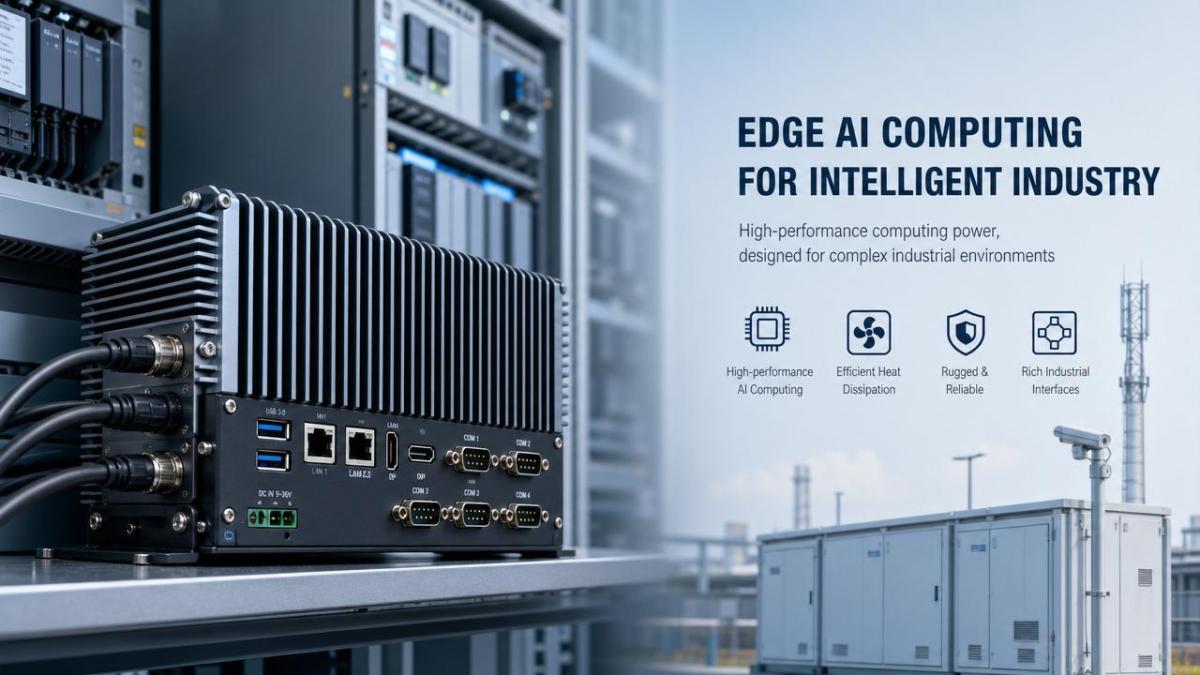
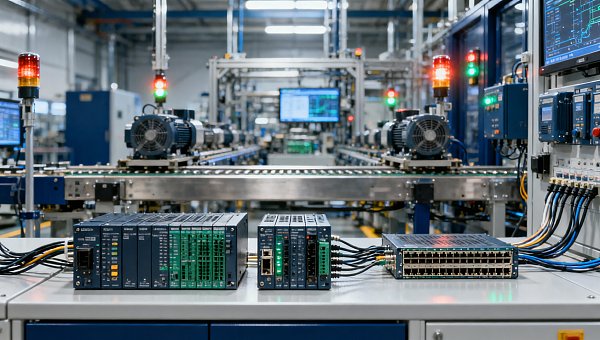
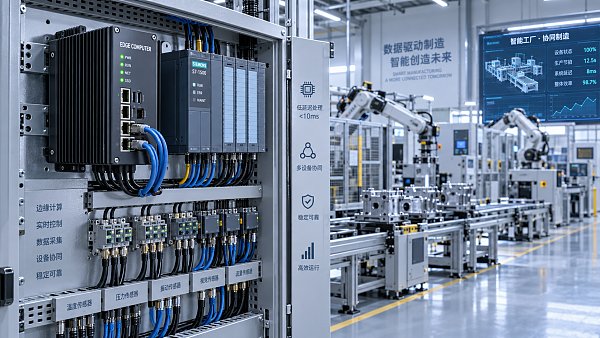
In edge deployments, compute density keeps rising while physical space remains limited. A compact box may be expected to run GPU acceleration, multi-camera input, industrial networking, and AI inference inside a sealed cabinet or dusty production area. Under these conditions, the true capability of an edge ai computing box supplier is revealed not by brochure claims, but by thermal design discipline: heat sink geometry, airflow path, enclosure material, interface layout, power budget, and derating behavior at elevated ambient temperature.
This matters across the broader industrial landscape. Smart factories, automated inspection lines, logistics nodes, roadside systems, and autonomous equipment all use edge devices differently. Some run burst workloads. Others process data nonstop, twenty-four hours a day. A strong edge ai computing box supplier should therefore provide scenario-based thermal evidence, not generic statements about “industrial grade” performance.
Different deployment scenes create different cooling risks
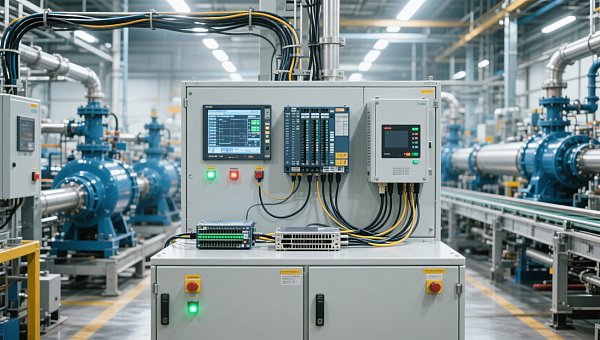
Cooling is never evaluated in isolation. It depends on where the box is installed, what workloads are sustained, and how the surrounding system handles heat. An edge AI unit mounted in an air-conditioned rack behaves very differently from one placed inside a compact electrical cabinet near motor drives. The same processor can look stable in a lab and unstable in the field.
That is why a qualified edge ai computing box supplier should be judged by scenario matching. The right question is not simply whether the device has a fan or a fanless enclosure. The better question is whether the thermal architecture fits the actual heat load, dust level, vibration profile, enclosure constraints, and service strategy of the target deployment.
Scene 1: Factory vision inspection needs stable cooling under nonstop inference
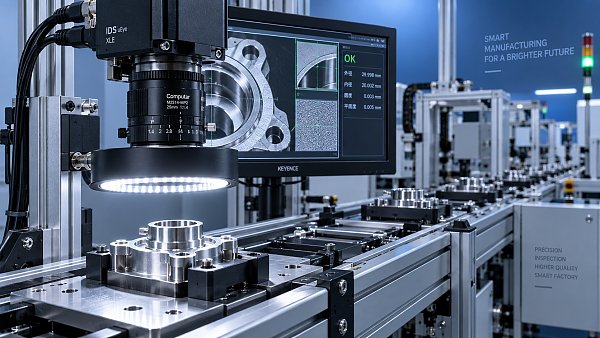
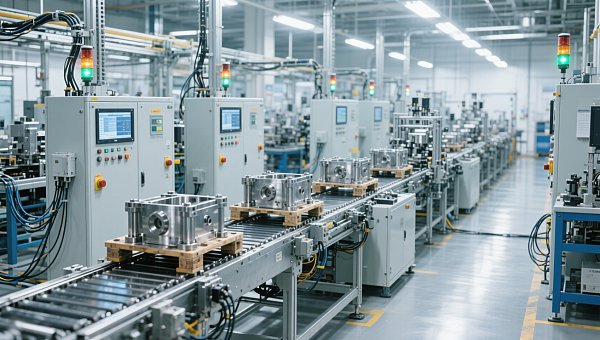
In machine vision inspection, workloads are often sustained and predictable. Multiple cameras stream continuously, models run at fixed cycle times, and latency targets are tight. The cooling challenge is not occasional thermal spikes but accumulated heat over long shifts. If the system throttles after several hours, defect detection accuracy can drop because frame rates or model throughput no longer match process speed.
Here, an edge ai computing box supplier should show thermal test data at full utilization over extended periods, ideally with ambient conditions close to actual line environments. Useful evidence includes CPU/GPU temperature curves, throttling thresholds, power draw under inference load, and cabinet installation guidance. In this scene, passive cooling can work well if the chassis is properly designed and mounting orientation is defined clearly.
Key checks for this scene
- Sustained inference temperature at full camera load
- Thermal behavior inside sealed or semi-sealed cabinets
- Surface temperature safety for maintenance access
- Dust tolerance and heat sink cleanability
Scene 2: Outdoor edge nodes face heat, sun load, and airflow uncertainty
Roadside monitoring, smart transportation, remote energy sites, and security gateways introduce another cooling problem: ambient temperature is already high before the processor even starts working. Direct sunlight, sealed outdoor cabinets, and inconsistent ventilation can push internal temperatures far beyond datasheet assumptions. In these cases, the value of an edge ai computing box supplier lies in realistic environmental design support.
A robust supplier should discuss system-level heat flow, not only the box itself. That includes spacing around fins, solar radiation considerations, DC power efficiency, and cabinet fan strategy. For outdoor use, a fanless design may reduce dust ingress risk, but it must still reject heat effectively. The supplier should also explain derating rules, because maximum advertised performance may not be available at 50°C ambient.
Scene 3: Mobile platforms add vibration and space constraints to the cooling problem
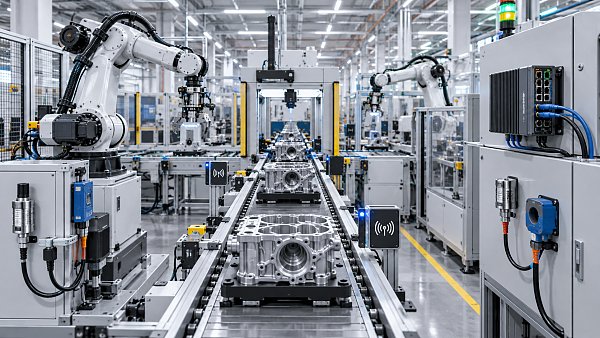
AGVs, service vehicles, mobile robots, and field equipment bring a combined challenge: limited installation volume, changing orientation, vibration, and irregular airflow. In this scene, cooling design intersects with mechanical reliability. A high-performance fan may improve heat removal, but moving parts can also become maintenance points under shock and dust exposure.
When comparing options, the best edge ai computing box supplier is usually the one that can explain thermal performance together with mounting method, vibration resistance, connector retention, and power stability. A mobile edge AI box that survives thermal testing on a bench may still fail in service if heat sinks are obstructed by neighboring components or if airflow assumptions collapse after installation.
How scene requirements differ when evaluating an edge AI computing box supplier
Practical fit recommendations before locking an edge AI computing box supplier
To reduce thermal risk early, selection should move beyond processor model and interface count. The following actions help verify whether an edge ai computing box supplier can support the intended scenario with engineering credibility.
- Request workload-specific thermal data. Ask for results under the same AI model class, camera count, and duty cycle expected in deployment.
- Check ambient assumptions. “Operating temperature” without performance context is incomplete. Confirm whether full compute power is sustained across the claimed range.
- Review enclosure integration guidance. Mounting surface, clearance, vertical or horizontal placement, and cable congestion all affect heat dissipation.
- Evaluate maintenance trade-offs. Fanless systems reduce moving parts, but passive cooling still depends on clean thermal paths and correct installation.
- Ask for failure behavior details. Understand whether the device throttles gracefully, alarms through software, or shuts down abruptly when thermal limits are reached.
Common scene misjudgments that create hidden thermal failures
Several avoidable mistakes appear repeatedly in edge projects. One is assuming that a higher TDP platform automatically means better performance in every location. If the installation cannot evacuate heat, nominal compute power becomes irrelevant. Another is selecting an edge ai computing box supplier based only on lab benchmarks performed in open air, even though the final installation will be inside a crowded cabinet.
A second misjudgment is treating fanless design as universally superior. Fanless can be excellent for dusty or maintenance-sensitive environments, but only when chassis mass, fin area, and thermal transfer paths are sufficient for the real load. A third mistake is ignoring surrounding heat sources such as power supplies, drives, and network equipment. In many failures, the edge box is blamed even though system-level thermal planning was the true cause.
There is also a data-quality problem in supplier evaluation. Some claims focus on peak benchmark capability rather than sustained performance. A trustworthy edge ai computing box supplier should be comfortable discussing tolerance, derating, thermal limits, and long-duration behavior with measurable evidence. This is fully aligned with engineering-first decision making: parameters matter more than adjectives.
The next step: evaluate the edge AI computing box supplier through thermal proof, not promises
For edge AI deployments across manufacturing, logistics, mobility, and outdoor infrastructure, cooling performance is a first-order design variable. The right edge ai computing box supplier should provide more than a product list. It should offer thermal transparency, deployment-fit guidance, and evidence that the box can maintain stable inference where it will actually operate.
A practical next move is to build a short validation checklist around the real scene: ambient range, cabinet or open-air placement, duty cycle, target latency, dust level, vibration, and maintenance interval. Then ask each edge ai computing box supplier to respond with matching test data and installation recommendations. This method turns supplier comparison into a technical review process, shortens qualification cycles, and lowers the risk of field failures caused by preventable thermal blind spots.
In hard-tech environments, engineering truth is simple: if heat is unmanaged, performance claims do not survive deployment. Choose the edge ai computing box supplier that can prove thermal stability in your actual scene, and the rest of the system becomes easier to trust.
Search News
Hot Articles
- Carbon Fiber StructuresHow to Specify Aerospace Carbon Fiber Assemblies for Lightweight, Load-Bearing PartsJul 11, 2026
- Machine VisionXiaomi, Alibaba DAMO Academy Drive Open-Source Robotics Model Ecosystem, Lowering Algorithm Development Barriers for Overseas SMEs Adopting Chinese Robotics SolutionsMar 30, 2026
- Cobots & ArmsShanxi 'AI+' Conference Showcases Embodied Intelligence with Multinational Buyer Engagement: Key Industry ImplicationsMar 30, 2026
Popular Tags
Recommended News
 Jul 11, 2026How to Specify Aerospace Carbon Fiber Assemblies for Lightweight, Load-Bearing PartsAerospace carbon fiber assemblies: learn how to specify laminate design, load data, joining methods, and inspection controls for lighter, reliable load-bearing aerospace parts.Elena Rostova (UAV Systems Researcher)
 Mar 30, 2026Xiaomi, Alibaba DAMO Academy Drive Open-Source Robotics Model Ecosystem, Lowering Algorithm Development Barriers for Overseas SMEs Adopting Chinese Robotics SolutionsXiaomi & Alibaba DAMO Academy's open-source robotics models lower algorithm barriers for global SMEs. Boost efficiency in manufacturing, logistics & smart retail with ROS 2 compatible solutions.TSV Data Lab
 Mar 30, 2026Shanxi 'AI+' Conference Showcases Embodied Intelligence with Multinational Buyer Engagement: Key Industry ImplicationsShanxi 'AI+' Conference highlights embodied intelligence with Tesla, Ubtech & Jiantao showcasing multimodal robotics. 40+ global buyers validated tech on-site, creating new B2B channels for industrial automation & AI solutions.Chen Wei (Automation Lead Engineer)
 Mar 30, 2026Zhongguancun Unveils 6G Integrated Sensing-Computing-Intelligence Platform to Empower Embodied Robots for Global Industrial ApplicationsZhongguancun's new 6G platform revolutionizes industrial robotics with <10ms latency, empowering global automotive, logistics & port automation. Discover how this tech boosts China's smart manufacturing exports.TSV Data Lab
 Mar 30, 2026Mech-Mind Tianjin Embodied Intelligence R&D and Production Base Goes Live, Cutting Delivery Time by 20%–30% for Global Customized AMR+Vision SolutionsMech-Mind's Tianjin AMR+Vision production base cuts delivery time by 20%-30% for欧美 & Latin American markets. Discover how this PLd-certified facility accelerates customized robotics solutions for smart manufacturing and logistics.Chen Wei (Automation Lead Engineer)
 Mar 30, 2026Boao Forum Reveals 'Co-evolution of Big and Small Brains' Trend in Humanoid Robots, China's Embodied Intelligence Accelerates Adaptation to Overseas Manufacturing Service ScenariosDiscover how China's humanoid robots, featuring 'Co-evolution of Big and Small Brains,' are revolutionizing global manufacturing. Learn about Embodied Tian Gong 3.0's ISO compliance and overseas deployment at Boao Forum 2026.Chen Wei (Automation Lead Engineer)
 Mar 30, 2026China Railway Industrial Secures Patent for Embodied Robotics in Material Handling, Boosting High-Precision Delivery Capabilities for Overseas Infrastructure and Manufacturing ProjectsChina Railway Industrial's new patent for embodied robotics in material handling boosts high-precision delivery for global infrastructure & manufacturing. Discover how this innovation enhances logistics accuracy in automotive, rail transit & EPC projects.Chen Wei (Automation Lead Engineer)
 Sep 29, 2026ISO 9283 Repeatability: How to Evaluate Cobot Positioning PerformanceISO 9283 cobot repeatability explained: learn how payload, reach, approach direction, and test conditions affect positioning performance and cell capability.Chen Wei (Automation Lead Engineer)
 Sep 29, 2026How Do You Verify Servo Motor Torque Under Continuous Load?How do I verify servo motor torque under continuous load? Learn RMS torque checks, torque-speed limits, thermal derating, and real-machine testing.Chen Wei (Automation Lead Engineer)
 Sep 28, 2026Spindle Runout Measurement in Germany: DIN Standards, Methods, and Acceptance LimitsSpindle runout measurement Germany: explore DIN standards, proven methods, acceptance limits, and audit-ready practices for reliable machining quality.Dr. Marcus Vance
 Sep 27, 2026How to Select Wall-Mount Edge Devices for Space-Constrained Factory NetworksWall mount edge devices for space-constrained factories: evaluate workload, thermal design, power resilience, cable access, and network reliability for smarter deployments.TSV Data Lab
 Sep 26, 2026Machining Tolerance Analysis: How to Set Limits That Meet Function and Cost TargetsMachining tolerance analysis: learn how to set functional limits, control tolerance stacks, reduce inspection risk, and balance precision with production cost.Dr. Marcus Vance
 Sep 25, 2026How to Evaluate an Industrial Infrastructure Data Platform for Multi-Site OperationsIndustrial infrastructure data platform evaluation guide for multi-site operations: compare data quality, edge resilience, interoperability, governance, and scalable proof-of-value criteria.Victor Lin (Chief Software Architect)
 Sep 24, 2026How to Select Machine Vision Optics for Accurate Inspection at Different Working DistancesMachine vision optics selection guide for accurate inspection at every working distance. Compare FOV, pixel scale, DOF, distortion, lighting, and telecentric options.TSV Data Lab
 Sep 23, 2026How to Evaluate a Machine Vision System Integrator for High-Speed Inspection LinesChoose a machine vision system integrator with proven expertise in high-speed inspection, reliable reject timing, robust optics, and measurable acceptance criteria.TSV Data Lab
 Sep 29, 2026How MES and OEE work together to identify production lossesMES and OEE work together to uncover hidden production losses, connect downtime, speed, and quality data, and drive smarter shop-floor improvements.Victor Lin (Chief Software Architect)
 Sep 28, 2026When is a SCADA API the right choice for connecting plant systems?SCADA API guide: learn when governed plant data integration improves traceability, security, and scalability—without compromising real-time control.Victor Lin (Chief Software Architect)
 Sep 27, 2026How SCADA data integration improves traceability across production linesSCADA data integration connects production-line data to improve traceability, accelerate quality investigations, and strengthen safety decisions.Victor Lin (Chief Software Architect)
 Sep 26, 2026What to define before starting SCADA integration planningSCADA integration planning starts with clear scope, control boundaries, data models, cybersecurity, and testing. Discover the definitions that reduce risk and costly rework.Victor Lin (Chief Software Architect)
 Sep 25, 2026How a smart factory with Industrial IoT reduces production blind spotsDiscover how a smart factory with Industrial IoT turns real-time machine, quality, and workflow data into actionable insights that reduce production blind spots and delivery risks.Victor Lin (Chief Software Architect)
 Sep 24, 2026When does Industrial IoT make smart manufacturing easier to scale?Smart manufacturing Industrial IoT scales when trusted data, interoperable systems, and secure workflows turn connected assets into measurable gains.TSV Data Lab
 Sep 23, 2026What drives ultra-precision machining cost at 1-micron tolerance?Ultra precision machining cost per part at 1 micron tolerance depends on process, material, metrology, and yield. Learn how to compare quotes confidently.Dr. Marcus Vance
 Sep 22, 2026Drone Engine-T550CC Applications: Build the UAV Power System Around the MissionAn application guide for Drone Engine-T550CC integration, covering payload planning, airframe matching, cooling, fuel, vibration, test procedures, documentation, and service preparation.Elena Rostova (UAV Systems Researcher)
 Sep 22, 2026How to Evaluate Industrial Edge Computing Vendors for Factory DeploymentIndustrial edge computing vendor evaluation guide for factories: compare latency, protocol fit, reliability, security, and lifecycle support before deployment.TSV Data Lab