
How to Compare Heavy Payload UAV Suppliers
Publication Date
author
Choosing the right heavy payload uav supplier requires more than comparing brochures. For procurement teams, operators, and technical decision-makers, the real challenge is verifying payload capacity, flight stability, integration options, and long-term support across every fixed wing uav supplier, custom vtol uav factory, and commercial drone manufacturer china can offer. This guide shows how to evaluate suppliers with engineering-grade criteria instead of marketing claims.
Why supplier comparison is difficult in the heavy payload UAV market
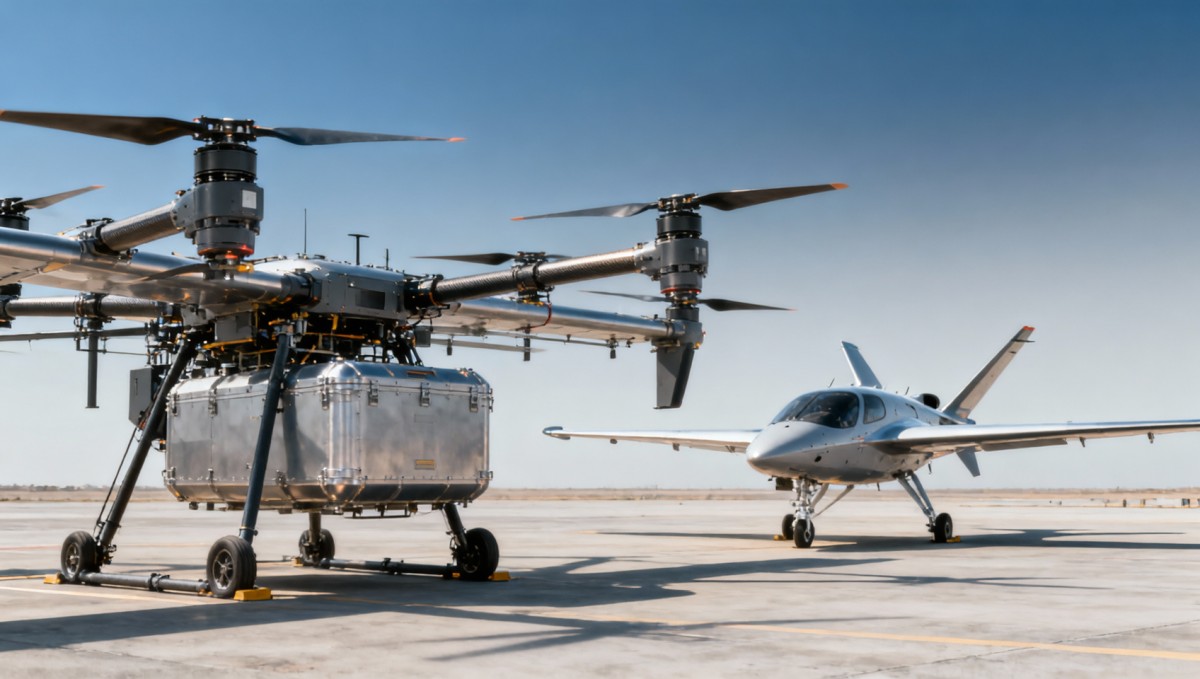
Heavy payload UAV sourcing is not a simple price exercise. In most B2B projects, the aircraft must carry a defined mission load for 30–180 minutes, operate in changing wind conditions, and support repeat deployment over months or years. A supplier may advertise payload capacity, but buyers still need to confirm whether that figure applies at sea level, under no-wind testing, or in a real mission profile with batteries, gimbal, data link, and safety reserve included.
This is exactly where many research teams and procurement managers lose time. Product pages often mix maximum takeoff weight, useful payload, and recommended payload without clarifying the difference. A fixed wing uav supplier may be strong in endurance but weak in low-speed stability. A custom vtol uav factory may offer flexible integration, yet the actual payload penalty from transition flight can materially affect range and mapping efficiency.
For operators, the challenge is even more practical. They care less about slogans and more about whether the aircraft can be assembled in 10–20 minutes, whether spare parts are available within 2–4 weeks, and whether the ground control software supports their current workflow. For enterprise decision-makers, supplier comparison must cover technical risk, supply continuity, compliance readiness, and after-sales response across the full service life.
At TechStat Vanguard, the core principle is simple: parameters must be traceable, and claims must be testable. In heavy payload UAV evaluation, this means shifting from sales language to engineering evidence. Procurement should ask how a commercial drone manufacturer china documents payload derating, vibration control, electromagnetic compatibility, and maintenance intervals before any shortlist is approved.
What buyers often confuse during early research
The first confusion is between laboratory maximums and mission-ready performance. A UAV listed for a 20 kg payload may deliver that figure only in a short-duration hover, not during a 60–90 minute logistics, inspection, or survey mission. The second confusion is between platform compatibility and true integration readiness. A payload bay may be physically large enough, but power output, vibration damping, data interface, and software protocol may still require redesign.
The third issue is lifecycle visibility. Many buyers compare initial quotes but overlook battery replacement frequency, propeller wear, field repairability, and firmware support cycles. In hard-tech procurement, a lower acquisition price can produce higher operating cost within the first 12–24 months if support structure is weak.
- Check whether payload numbers are stated as maximum, recommended, or mission payload.
- Verify endurance with full payload, reserve power margin, and realistic environmental assumptions.
- Confirm integration scope: mechanical, electrical, software, communications, and testing support.
- Ask for service commitments covering spare parts, diagnostics, and update policy.
How to compare technical performance instead of marketing language
When evaluating a heavy payload uav supplier, start with four engineering categories: payload performance, flight envelope, integration architecture, and reliability support. These categories create a usable framework for comparing a fixed wing uav supplier, a custom vtol uav factory, and a multirotor-oriented commercial drone manufacturer china without reducing the decision to one headline specification.
Payload performance should include not only kilograms, but also center-of-gravity tolerance, available payload power, vibration behavior, and mission duration under load. Flight envelope should include wind resistance range, operating temperature range, climb profile, cruise efficiency, and emergency descent logic. Integration architecture should examine mounting standards, data bus options, API access, and payload swap time. Reliability support should cover preventive maintenance intervals, field replacement parts, and fault logging depth.
Below is a practical comparison framework that procurement teams can use in supplier qualification. It helps convert vendor claims into reviewable engineering checkpoints.
A useful rule is to request at least 3 operating conditions for any endurance claim and at least 2 payload configurations for stability review. If a supplier cannot distinguish empty-airframe performance from mission-ready performance, that is a procurement warning sign. Engineering clarity is more valuable than a higher headline number.
Questions that reveal technical depth
Payload and stability
Ask for the recommended payload range rather than only the maximum payload. Ask how endurance changes at 25%, 50%, 75%, and full rated payload. Ask whether the aircraft requires counterweight, alternative landing gear, or different propellers for higher loads. These questions quickly show whether the heavy payload uav supplier has a mature test methodology.
Integration and electromagnetic environment
For LiDAR, EO/IR, delivery pod, or radar payloads, request details on electrical noise isolation, communication interfaces, and thermal management. A strong custom vtol uav factory should explain how payload vibration and EMI are handled during vertical takeoff, transition, and cruise phases, not just in hover.
Maintenance and diagnostics
Ask what can be replaced at field level within 30–60 minutes and what requires return-to-factory service. The answer affects mission continuity, spare inventory planning, and total support burden across multiple sites.
Which supplier type fits your application: fixed wing, VTOL, or multirotor?
Not every mission should be sourced from the same type of manufacturer. A fixed wing uav supplier often makes sense when the mission needs longer range, higher cruise efficiency, or corridor inspection over large distances. A custom vtol uav factory is often better when you need vertical takeoff in constrained sites but still want fixed-wing style cruise performance. A multirotor-focused commercial drone manufacturer china may be the practical choice for localized lifting, frequent hover, and simpler launch logistics.
The key is to compare aircraft architecture against mission geometry, not against brochure language. For example, infrastructure inspection over 40–120 km can favor fixed-wing or VTOL designs. Precision hover for point sensing, emergency delivery in dense industrial sites, or repeated takeoff from compact decks can favor multirotor systems, even if endurance is lower.
Use the table below to structure early-stage selection before requesting detailed quotation or prototype discussion. It is especially useful for procurement teams screening 5–8 candidate suppliers down to 2–3 finalists.
This comparison does not replace testing, but it prevents category errors. A poor purchase often starts with the wrong airframe logic, not with the wrong supplier. Match the supplier type to the mission first, then compare platform maturity, integration depth, and support capability.
A practical 4-step shortlisting method
- Define mission boundaries: payload mass, desired endurance, site constraints, wind profile, and takeoff area.
- Select the likely architecture: fixed wing, VTOL, or multirotor based on operational geometry.
- Request structured data from 3–5 suppliers, including payload derating and integration method.
- Run a technical and commercial scoring matrix before any site visit or pilot procurement.
In many projects, this 4-step process reduces early supplier confusion within 1–2 review cycles and helps technical teams speak the same language as purchasing and management.
What procurement teams should verify before RFQ and pilot purchase
A heavy payload uav supplier should be evaluated not only by product performance but by qualification readiness. Before an RFQ is issued, buyers should define a procurement checklist covering at least 5 areas: mission requirement, compliance, support, delivery, and commercial terms. This is where many projects avoid expensive rework. If the payload is still changing, the supplier shortlist should favor integration capability over catalog maturity.
Delivery planning also matters. Typical lead times vary depending on whether the aircraft is standard, semi-custom, or fully customized. In general industry practice, a standard configuration may move faster than a system requiring new payload brackets, software interface work, or certification documentation support. Procurement should ask for the timeline broken into 3 stages: configuration confirmation, production and integration, and validation or training.
Compliance questions should be framed carefully. Buyers should not assume all applications need the same documentation, but it is reasonable to review traceability, battery transport handling, operating manuals, maintenance guidance, and any test reports relevant to safe deployment. For aerospace-adjacent or regulated use, documentation quality can be as important as airframe capability.
Pre-RFQ checklist for supplier qualification
- Mission definition: payload mass, target endurance, cruise speed, wind tolerance, operating temperature, launch and recovery method.
- Technical interface: mounting points, voltage range, communication protocol, antenna layout, and software control logic.
- Delivery and support: lead time estimate, spare parts plan for the first 6–12 months, operator training scope, remote troubleshooting method.
- Commercial structure: quotation validity, change management rules, payment milestones, warranty boundary, and acceptance criteria.
- Validation method: demo flight, factory acceptance, site acceptance, and mission simulation requirements.
A data-driven sourcing process should request evidence in comparable format from each candidate. TechStat Vanguard recommends converting supplier responses into a normalized evaluation sheet rather than relying on free-form emails. That approach makes it easier to compare a fixed wing uav supplier with a custom vtol uav factory when both claim strong payload capability but use different reporting language.
Common procurement mistakes
One frequent mistake is buying around the payload only. Another is skipping field maintainability review. A third is accepting unsupported promises about future firmware or integration updates. For enterprise buyers, if an answer cannot be linked to a specification, test procedure, or support commitment, it should not carry full weight in supplier scoring.
FAQ: the questions most buyers ask before choosing a supplier
The final stage of supplier comparison often comes down to a small number of recurring questions. These questions matter because they affect pilot testing, budget control, and deployment speed. Clear answers can shorten the qualification cycle and reduce cross-team disagreement between engineering, operations, and purchasing.
How many suppliers should be compared in a serious heavy payload UAV purchase?
For most B2B projects, comparing 3–5 qualified suppliers is efficient. Fewer than 3 can limit perspective. More than 5 often creates review fatigue unless the project is very large or highly customized. A common path is longlisting 6–8 names, then reducing to 3 finalists using mission fit, integration readiness, and support evidence.
Should I prioritize a commercial drone manufacturer China, a local integrator, or a custom VTOL UAV factory?
It depends on where the technical risk sits. If the risk is mainly payload adaptation, a custom vtol uav factory or engineering-led manufacturer may be more suitable. If the mission is operationally standard and speed matters, a commercial drone manufacturer china with mature production and standard modules can be efficient. If local training, onsite support, or regulatory interface is the main challenge, an integrator may add value. The right choice depends on the risk distribution, not geography alone.
What delivery timeline is reasonable?
A realistic timeline should be divided into at least 3 phases: requirement confirmation, build or integration, and validation. Standard platforms may move faster, while custom payload work can extend the schedule. Buyers should request milestone dates rather than one total promise. Ask what can be delivered in 2–4 weeks, what needs 4–8 weeks, and what depends on payload integration complexity.
What is the most overlooked technical document during supplier comparison?
The payload integration document is often overlooked. Buyers ask for brochures and quotations but fail to request details on power output, connector definition, communication method, CG envelope, vibration considerations, and mounting tolerance. Without that document, comparing suppliers remains superficial.
Why work with a data-driven evaluation partner before you shortlist suppliers
In heavy payload UAV procurement, the biggest cost is often not the aircraft. It is the time lost to incomplete comparison, repeated technical clarification, and supplier mismatch. That is why many advanced manufacturing teams now prefer a benchmarking approach before they commit to a vendor path. A structured review can cut trial-and-error, align engineering and purchasing, and expose hidden risk earlier in the process.
TechStat Vanguard supports this decision style through engineering-first analysis. Our perspective is built around hard parameters, traceable comparison logic, and supplier-side technical scrutiny rather than promotional claims. For teams evaluating a fixed wing uav supplier, a custom vtol uav factory, or a commercial drone manufacturer china, the goal is to make the shortlist defensible, measurable, and aligned with the mission.
If you are preparing a UAV sourcing project, you can consult on specific topics such as payload confirmation, mission-fit platform comparison, supplier evaluation matrix design, expected delivery stages, integration risk review, documentation requirements, and quotation structure. This is especially useful when your team must make a decision within 2–6 weeks and cannot afford repeated supplier rounds.
Contact us if you need support with parameter verification, model selection, custom UAV solution review, supplier comparison logic, compliance-related document checks, sample or pilot planning, or quotation communication. The objective is not to add noise to the market, but to help your team compare suppliers through engineering truth and decision-ready data.
Search News
Hot Articles
- Carbon Fiber StructuresHow to Specify Aerospace Carbon Fiber Assemblies for Lightweight, Load-Bearing PartsJul 11, 2026
- Machine VisionXiaomi, Alibaba DAMO Academy Drive Open-Source Robotics Model Ecosystem, Lowering Algorithm Development Barriers for Overseas SMEs Adopting Chinese Robotics SolutionsMar 30, 2026
- Cobots & ArmsShanxi 'AI+' Conference Showcases Embodied Intelligence with Multinational Buyer Engagement: Key Industry ImplicationsMar 30, 2026
Popular Tags
Recommended News
 Jul 11, 2026How to Specify Aerospace Carbon Fiber Assemblies for Lightweight, Load-Bearing PartsAerospace carbon fiber assemblies: learn how to specify laminate design, load data, joining methods, and inspection controls for lighter, reliable load-bearing aerospace parts.Elena Rostova (UAV Systems Researcher)
 Mar 30, 2026Xiaomi, Alibaba DAMO Academy Drive Open-Source Robotics Model Ecosystem, Lowering Algorithm Development Barriers for Overseas SMEs Adopting Chinese Robotics SolutionsXiaomi & Alibaba DAMO Academy's open-source robotics models lower algorithm barriers for global SMEs. Boost efficiency in manufacturing, logistics & smart retail with ROS 2 compatible solutions.TSV Data Lab
 Mar 30, 2026Shanxi 'AI+' Conference Showcases Embodied Intelligence with Multinational Buyer Engagement: Key Industry ImplicationsShanxi 'AI+' Conference highlights embodied intelligence with Tesla, Ubtech & Jiantao showcasing multimodal robotics. 40+ global buyers validated tech on-site, creating new B2B channels for industrial automation & AI solutions.Chen Wei (Automation Lead Engineer)
 Mar 30, 2026Zhongguancun Unveils 6G Integrated Sensing-Computing-Intelligence Platform to Empower Embodied Robots for Global Industrial ApplicationsZhongguancun's new 6G platform revolutionizes industrial robotics with <10ms latency, empowering global automotive, logistics & port automation. Discover how this tech boosts China's smart manufacturing exports.TSV Data Lab
 Mar 30, 2026Mech-Mind Tianjin Embodied Intelligence R&D and Production Base Goes Live, Cutting Delivery Time by 20%–30% for Global Customized AMR+Vision SolutionsMech-Mind's Tianjin AMR+Vision production base cuts delivery time by 20%-30% for欧美 & Latin American markets. Discover how this PLd-certified facility accelerates customized robotics solutions for smart manufacturing and logistics.Chen Wei (Automation Lead Engineer)
 Mar 30, 2026Boao Forum Reveals 'Co-evolution of Big and Small Brains' Trend in Humanoid Robots, China's Embodied Intelligence Accelerates Adaptation to Overseas Manufacturing Service ScenariosDiscover how China's humanoid robots, featuring 'Co-evolution of Big and Small Brains,' are revolutionizing global manufacturing. Learn about Embodied Tian Gong 3.0's ISO compliance and overseas deployment at Boao Forum 2026.Chen Wei (Automation Lead Engineer)
 Mar 30, 2026China Railway Industrial Secures Patent for Embodied Robotics in Material Handling, Boosting High-Precision Delivery Capabilities for Overseas Infrastructure and Manufacturing ProjectsChina Railway Industrial's new patent for embodied robotics in material handling boosts high-precision delivery for global infrastructure & manufacturing. Discover how this innovation enhances logistics accuracy in automotive, rail transit & EPC projects.Chen Wei (Automation Lead Engineer)
 Oct 17, 20265-Axis CNC Positioning Accuracy: How to Interpret ISO 230-2 Test ResultsAssess 5 axis CNC machining positioning accuracy with ISO 230-2. Learn to interpret repeatability, reversal error, and test conditions to compare suppliers and make confident acceptance decisions.Dr. Marcus Vance
 Oct 16, 2026Choosing a Rugged Edge AI Box Supplier: Thermal Tests and Lifecycle SupportChoose a rugged edge AI box supplier with proven thermal performance and reliable lifecycle support. Discover the tests and commitments to verify before you buy.TSV Data Lab
 Oct 15, 2026R&D Cost Reduction Services: How to Evaluate Fees, Savings, and ROIEvaluate R&D cost reduction services with confidence. Compare fees, verify savings, and calculate ROI without compromising performance. Discover how to choose a provider that delivers real value.Chen Wei (Automation Lead Engineer)
 Oct 16, 2026How Can You Fairly Compare MTBF Across Industrial Servo Motors?Make a fair industrial servo motor MTBF comparison with matched operating profiles, failure criteria, and confidence bounds. Discover how to assess reliability beyond advertised numbers.Chen Wei (Automation Lead Engineer)
 Oct 15, 2026How Should You Compare TechStat Vanguard 5-Axis CNC Tolerances?TechStat Vanguard 5-axis CNC tolerance comparison: learn how to verify part accuracy, assess inspection evidence, and choose suppliers that reliably meet your drawing requirements.Dr. Marcus Vance
 Oct 14, 2026Drone Frame Composites: Carbon Fiber vs. Fiberglass for Weight and StiffnessExplore drone structural materials composites: compare carbon fiber and fiberglass for weight, stiffness, cost, and antenna compatibility. Find the right material for your drone frame.Elena Rostova (UAV Systems Researcher)
 Oct 13, 2026Smart Cameras vs. PC-Based Machine Vision: Which Fits High-Speed Inspection?This industrial product comparison for machine vision weighs smart cameras vs. PC-based systems on latency, throughput, and cost. Discover your best fit for high-speed inspection.TSV Data Lab
 Oct 12, 2026How to Verify RoHS Compliance in Industrial Sensing Systems Before DeploymentRoHS compliant sensing systems: learn how to verify materials, supplier declarations, testing, and configuration controls before industrial deployment.TSV Data Lab
 Oct 11, 2026How Procurement-Oriented Content Taxonomy Improves B2B Buying JourneysProcurement-oriented content taxonomy streamlines B2B buying journeys with clearer evidence, supplier comparisons, risk visibility, and faster approvals.TSV Data Lab
 Oct 10, 2026How to Select a Machine Performance Monitoring Platform for OEE and Downtime ReductionMachine performance monitoring platform selection guide: validate machine states, OEE data, downtime reasons, integrations, and scalability to reduce losses with confidence.TSV Data Lab
 Oct 08, 2026How to Machine Inconel 625 Blades Without Heat Cracks or Edge ChippingInconel 625 blade machining guide: prevent heat cracks, edge chipping, chatter, and work hardening with proven tooling, cooling, fixturing, and inspection strategies.Dr. Marcus Vance
 Oct 07, 2026How to Evaluate an HMI Panel Distributor for Industrial Automation ProjectsHMI panel distributor evaluation guide: verify technical compatibility, traceability, supply reliability, lifecycle support, and total cost for automation projects.Victor Lin (Chief Software Architect)
 Oct 06, 2026Navigation Fault Tolerance Standards for AMRs: What Safety Teams Must VerifyNavigation fault tolerance standards: learn what AMR safety teams must verify, from localization loss and sensor faults to stopping distance, safe restart, and site-specific validation.Chen Wei (Automation Lead Engineer)
 Oct 05, 2026Calculating Edge Computing Total Cost of Ownership Across Distributed SitesEdge computing ownership cost explained: calculate deployment, energy, connectivity, security, remote support, and refresh costs across distributed sites.TSV Data Lab
 Oct 04, 2026CAD/CAM Benchmarking in the GCC: What Manufacturers Should Ask a ConsultantCAD CAM benchmark consultant GCC guide: learn the key questions manufacturers should ask to validate post-processors, workflows, machine performance, and production risk.Victor Lin (Chief Software Architect)
 Oct 03, 2026Selecting Automotive Radar Sensor Modules for ADAS Range, Resolution, and IntegrationAutomotive radar sensor module selection guide for ADAS: compare range, resolution, field of view, latency, and integration to build safer, reliable vehicle systems.TSV Data Lab
 Oct 02, 2026How to Qualify Machined Parts Suppliers for Hard Tech ProgramsHard tech supply chain machined parts demand rigorous supplier qualification. Learn how to assess capability, traceability, quality controls, and delivery resilience.Dr. Marcus Vance























