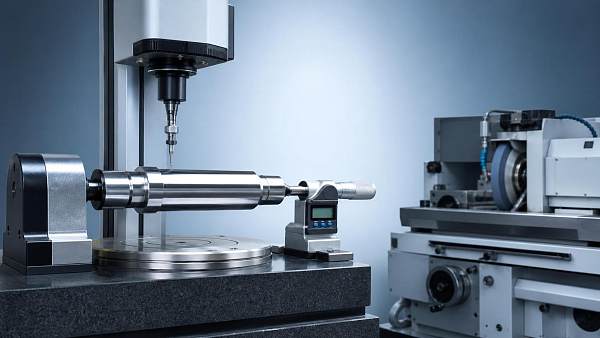
What Is Smart Manufacturing and Which Processes Should You Digitize First?
Publication Date
author
Smart manufacturing is often described as the future of industry, yet the real issue is not whether to digitize, but where to begin. Many organizations invest in dashboards, connected machines, and software layers too quickly, then discover that complexity grows faster than visibility. A disciplined approach starts with the workflows that create measurable control, stronger traceability, and better operational decisions.
That matters across sectors. The same question appears in precision machining, robotics integration, aerospace components, sensor-enabled production, and mixed industrial supply chains. In each case, smart manufacturing succeeds when data reflects engineering reality rather than marketing language, which is why parameter-level thinking has become far more valuable than broad digital transformation slogans.
Smart manufacturing starts with connected decisions, not connected devices
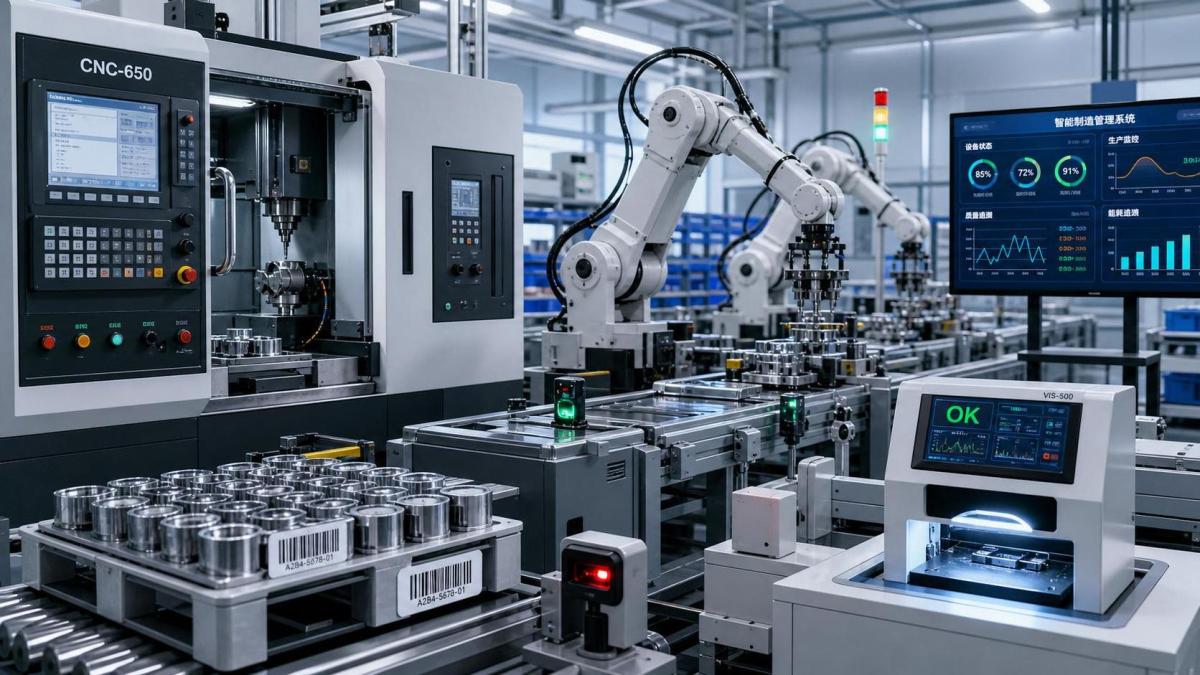
At its core, smart manufacturing is the use of digital systems to make production more observable, responsive, and controlled. It links machines, people, materials, and quality data so that operational choices rely less on assumption and more on evidence.
This does not mean every factory needs a fully autonomous line. In practice, smart manufacturing often begins with a narrower goal: reducing blind spots. That may involve machine status visibility, automated quality records, digital work instructions, or live production traceability across suppliers and internal operations.
The strongest programs are built on engineering fundamentals. If a process cannot define its tolerance window, failure mode, cycle-time baseline, or inspection criteria, digitizing it may simply accelerate confusion. Data only becomes useful when the process itself is measurable.
Why smart manufacturing has become a priority now
Several pressures have changed the economics of manufacturing operations. Supply chains are less predictable, certification demands are tighter, product variation is increasing, and downtime costs are becoming more visible. At the same time, edge computing, machine vision, industrial IoT gateways, and automation platforms are more accessible than they were a decade ago.
Still, more technology does not automatically create better factories. One of the biggest challenges is information noise. Industrial decision-making is flooded with claims about intelligence, optimization, and next-generation performance, while basic questions remain unanswered: what was the actual scrap rate, where did the deviation begin, which machine created the drift, and how quickly can a supplier prove consistency?
This is where a data-driven lens becomes essential. Organizations such as TechStat Vanguard emphasize a principle that applies directly to smart manufacturing strategy: parameters do not lie. Whether the context is robot repeatability, CNC tolerances, LiDAR stability, or gateway latency, transformation should be judged by measurable outputs, not by software volume.
Which processes should you digitize first
The best starting point is rarely the most advanced process. It is usually the process where poor visibility creates repeated operational cost. In most industrial environments, four areas deserve attention before broader expansion.
1. Production tracking and machine status
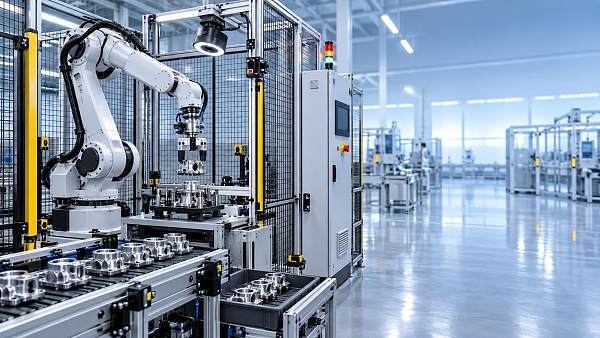
If a line cannot show what is running, stopped, delayed, or blocked in real time, every later improvement becomes harder. Digitizing machine status and work-in-progress is often the first high-value step because it exposes hidden downtime, bottlenecks, and schedule distortion.
This is especially useful in mixed environments where legacy equipment operates beside newer automation. Smart manufacturing does not require replacing everything. It often starts by capturing reliable machine signals, operator inputs, and job-state data in one consistent view.
2. Quality inspection and nonconformance records
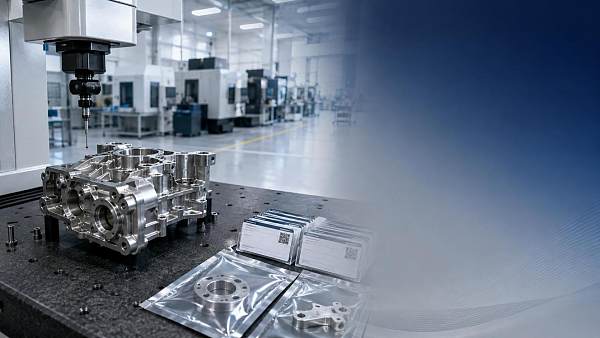
Quality data is frequently trapped in spreadsheets, paper checksheets, or isolated inspection devices. Digitizing inspection results, defect codes, measurement trends, and corrective actions creates immediate value because quality failures are expensive and often traceable.
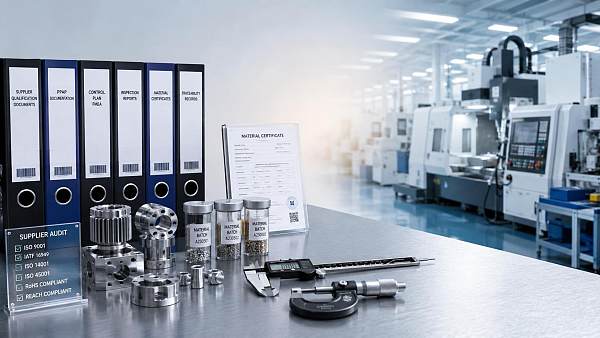
In aerospace, medical, precision machining, and electronics-related operations, this becomes even more critical. A smart manufacturing system should help prove conformance, not just report output volume. That means linking quality events to batches, tools, operators, machines, and material lots.
3. Material traceability and inventory movement
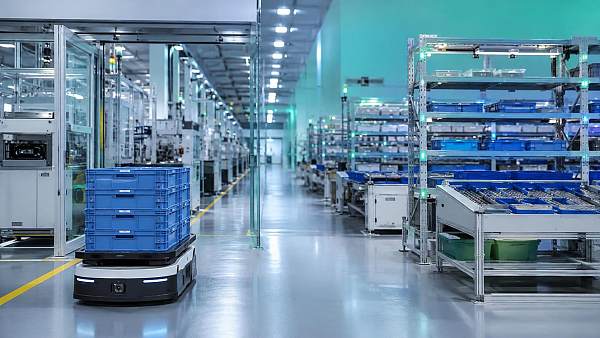
Many factories still lose time locating material, validating revisions, or checking whether a component was consumed in the correct order. Digitizing inventory movement and lot traceability can reduce both operational delay and compliance risk.
This matters even more when components have strict shelf-life limits, serial tracking requirements, or supplier-specific approval rules. Smart manufacturing becomes practical when a business can trace what entered production, where it moved, and what output it influenced.
4. Maintenance signals and asset health
Unexpected machine failure destroys schedule confidence. A good first move is not always full predictive maintenance. Often, it is enough to digitize alarm history, service intervals, runtime hours, and recurring failure patterns.
In robotics, automated handling, and high-precision machining, this visibility can reveal whether the problem is overload, wear, calibration drift, or operator response time. That clarity supports better maintenance planning and capital allocation.
How to choose the right first use case
Not every process deserves digitization at the same time. A practical selection model should focus on impact, measurability, and readiness.
Usually, the best candidate is a process with frequent disruption, clear KPIs, and enough structure to support trustworthy data capture. If the first project depends on too many assumptions, confidence falls quickly.
Where smart manufacturing creates the most visible business value
The value of smart manufacturing is not limited to efficiency. It also changes how an organization understands performance and risk. That distinction is important, especially in hard-tech supply chains where one weak record can delay approvals, supplier onboarding, or engineering release.
- Stronger traceability supports audits, customer confidence, and faster root-cause analysis.
- Better data quality improves planning, procurement timing, and production sequencing.
- Live operational visibility shortens reaction time when quality or equipment issues appear.
- Documented process performance helps compare suppliers and internal sites on facts.
- Consistent digital records reduce dependency on tribal knowledge and manual reconstruction.
For organizations working with robotics, UAV subsystems, sensors, precision parts, or regulated assemblies, this evidence-based visibility is often more valuable than a generic promise of digital transformation. It reduces uncertainty in both operations and sourcing decisions.
Common mistakes that weaken early digitization efforts
Many smart manufacturing initiatives stall for reasons that are predictable. The technology may be capable, but the implementation logic is weak.
- Digitizing unstable processes before defining standard work and measurable control points.
- Collecting too much data without linking it to a decision, threshold, or response plan.
- Running isolated pilots that never integrate with quality, ERP, or maintenance workflows.
- Using vendor language as a proxy for performance instead of validating parameters.
- Treating dashboards as outcomes when they are only interfaces for better decisions.
A more reliable path is to ask simple but demanding questions. Which variable matters most? What tolerance defines success? How fast must the signal update? What action follows an exception? This is the mindset behind robust smart manufacturing programs.
A practical next step for building momentum
A useful starting exercise is to map one production flow from incoming material to final inspection. Identify where records are manual, where delays are invisible, and where a missing parameter would block a technical decision. That reveals whether smart manufacturing should begin with machine monitoring, quality traceability, inventory movement, or maintenance control.
Then compare the first digitization target against hard metrics: scrap exposure, downtime frequency, audit sensitivity, response speed, and rollout potential. In environments shaped by complex supply chains and technical qualification demands, disciplined selection matters more than ambitious scope.
Smart manufacturing delivers the strongest returns when it is grounded in evidence. Start where data can clarify a real constraint, prove a process condition, or shorten a costly uncertainty. From there, broader transformation becomes easier to justify, scale, and trust.
Search News
Hot Articles
- Carbon Fiber StructuresHow to Specify Aerospace Carbon Fiber Assemblies for Lightweight, Load-Bearing PartsJul 11, 2026
- Machine VisionXiaomi, Alibaba DAMO Academy Drive Open-Source Robotics Model Ecosystem, Lowering Algorithm Development Barriers for Overseas SMEs Adopting Chinese Robotics SolutionsMar 30, 2026
- Cobots & ArmsShanxi 'AI+' Conference Showcases Embodied Intelligence with Multinational Buyer Engagement: Key Industry ImplicationsMar 30, 2026
Popular Tags
Recommended News
 Jul 11, 2026How to Specify Aerospace Carbon Fiber Assemblies for Lightweight, Load-Bearing PartsAerospace carbon fiber assemblies: learn how to specify laminate design, load data, joining methods, and inspection controls for lighter, reliable load-bearing aerospace parts.Elena Rostova (UAV Systems Researcher)
 Mar 30, 2026Xiaomi, Alibaba DAMO Academy Drive Open-Source Robotics Model Ecosystem, Lowering Algorithm Development Barriers for Overseas SMEs Adopting Chinese Robotics SolutionsXiaomi & Alibaba DAMO Academy's open-source robotics models lower algorithm barriers for global SMEs. Boost efficiency in manufacturing, logistics & smart retail with ROS 2 compatible solutions.TSV Data Lab
 Mar 30, 2026Shanxi 'AI+' Conference Showcases Embodied Intelligence with Multinational Buyer Engagement: Key Industry ImplicationsShanxi 'AI+' Conference highlights embodied intelligence with Tesla, Ubtech & Jiantao showcasing multimodal robotics. 40+ global buyers validated tech on-site, creating new B2B channels for industrial automation & AI solutions.Chen Wei (Automation Lead Engineer)
 Mar 30, 2026Zhongguancun Unveils 6G Integrated Sensing-Computing-Intelligence Platform to Empower Embodied Robots for Global Industrial ApplicationsZhongguancun's new 6G platform revolutionizes industrial robotics with <10ms latency, empowering global automotive, logistics & port automation. Discover how this tech boosts China's smart manufacturing exports.TSV Data Lab
 Mar 30, 2026Mech-Mind Tianjin Embodied Intelligence R&D and Production Base Goes Live, Cutting Delivery Time by 20%–30% for Global Customized AMR+Vision SolutionsMech-Mind's Tianjin AMR+Vision production base cuts delivery time by 20%-30% for欧美 & Latin American markets. Discover how this PLd-certified facility accelerates customized robotics solutions for smart manufacturing and logistics.Chen Wei (Automation Lead Engineer)
 Mar 30, 2026Boao Forum Reveals 'Co-evolution of Big and Small Brains' Trend in Humanoid Robots, China's Embodied Intelligence Accelerates Adaptation to Overseas Manufacturing Service ScenariosDiscover how China's humanoid robots, featuring 'Co-evolution of Big and Small Brains,' are revolutionizing global manufacturing. Learn about Embodied Tian Gong 3.0's ISO compliance and overseas deployment at Boao Forum 2026.Chen Wei (Automation Lead Engineer)
 Mar 30, 2026China Railway Industrial Secures Patent for Embodied Robotics in Material Handling, Boosting High-Precision Delivery Capabilities for Overseas Infrastructure and Manufacturing ProjectsChina Railway Industrial's new patent for embodied robotics in material handling boosts high-precision delivery for global infrastructure & manufacturing. Discover how this innovation enhances logistics accuracy in automotive, rail transit & EPC projects.Chen Wei (Automation Lead Engineer)
 Sep 19, 2026How to Scope Automation Integration Services for Multi-System Factory ProjectsAutomation integration services: learn how to scope multi-system factory projects with clear workflows, interface contracts, safety boundaries, and acceptance criteria.Victor Lin (Chief Software Architect)
 Sep 18, 2026Selecting UAV Aerospace Structural Parts for Strength, Weight, and Fatigue LifeUAV aerospace structural parts guide: compare strength, weight, stiffness, fatigue life, joints, and traceability to select reliable flight-ready components.Elena Rostova (UAV Systems Researcher)
 Sep 17, 2026Selecting Commercial Drone Payloads for European Inspection ProjectsCommercial drone payloads Europe: learn how to select RGB, thermal and LiDAR systems for compliant, reliable inspection data and better project outcomes.Elena Rostova (UAV Systems Researcher)
 Sep 16, 2026Machining Tolerance Validation: How to Verify Critical Dimensions Before Production ReleaseMachining tolerance analysis validation: verify critical dimensions, measurement systems, process capability, and tolerance stacks before production release.Dr. Marcus Vance
 Sep 15, 2026AGV Tape Guidance vs Laser Navigation: Which Fits Your Warehouse Layout?AGV tape guidance comparison: discover how tape and laser navigation fit changing warehouse layouts, docking needs, floor conditions, maintenance, and route flexibility.Chen Wei (Automation Lead Engineer)
 Sep 14, 2026How Point Cloud Analytics Improves Asset Inspection Workflows Across GCC ProjectsPoint cloud analytics GCC helps project leaders improve asset inspections with accurate change detection, safer workflows, and faster maintenance decisions.TSV Data Lab
 Sep 13, 2026How Aerospace Manufacturers Can Build a Digital Thread From Design to Certified ProductionDigital manufacturing for aerospace: learn how to build a traceable digital thread from design through certified production, supplier control, and audit-ready compliance.Victor Lin (Chief Software Architect)
 Sep 12, 2026How to Select a Thermal Sensor for Mapping Drones in Surveying ProjectsMapping drone thermal sensor selection made simple: compare GSD, radiometric data, NETD, calibration, and workflow fit for accurate, survey-ready thermal maps.Elena Rostova (UAV Systems Researcher)
 Sep 11, 2026Integrating Photogrammetry Workflows into Digital Twin Projects Without Data BottlenecksPhotogrammetry workflow integration for digital twins: learn how to streamline capture, validation, versioning, and delivery to prevent data bottlenecks.Victor Lin (Chief Software Architect)
 Sep 10, 2026Hard-Tech Supply Chain Procurement: Qualifying Suppliers to Cut Lead-Time RiskHard-tech supply chain procurement guide: qualify suppliers with proven process, traceability, capacity, and change control to reduce lead-time risk.Chen Wei (Automation Lead Engineer)
 Sep 09, 2026Industrial Application Notes: Cost Factors That Shape Automation Project BudgetsIndustrial application notes cost factors explained: uncover the engineering, safety, integration, and commissioning variables that shape accurate automation budgets.Victor Lin (Chief Software Architect)
 Sep 08, 2026Supplier Discovery for Sourcing: How Buyers Can Verify Capability and Supply RiskSupplier discovery for sourcing: learn how to verify supplier capability, traceability, quote assumptions, and supply risk before placing production orders.TSV Data Lab
 Sep 07, 2026What Determines Process Control Systems Pricing? A Buyer’s Cost GuideProcess control systems pricing explained: compare hardware, engineering, integration, cybersecurity, validation, and lifecycle costs to choose the right-value solution.Victor Lin (Chief Software Architect)
 Sep 07, 2026AMR Robots in ASEAN: Which Industries Are Adopting Them—and Why?AMR robots ASEAN adoption is accelerating in electronics, automotive, warehousing, healthcare, and cold chain. Explore use cases, risks, and deployment insights.Chen Wei (Automation Lead Engineer)
 Sep 05, 2026How to Evaluate Supplier Qualification Support Tools for Industrial Procurement TeamsSupplier qualification support tools help industrial procurement teams verify technical evidence, manage risk, and make defensible supplier approvals. Learn what to evaluate.Victor Lin (Chief Software Architect)
 Sep 04, 2026Grinding Tolerance Analysis: How to Set Realistic Limits for Precision PartsGrinding tolerance analysis explains how to set realistic limits for precision parts, balance fit, geometry, process capability, and inspection for reliable performance.Dr. Marcus Vance
 Sep 03, 2026Warehouse Automation Strategies to Increase Storage Capacity Without ExpansionWarehouse automation space saving strategies help unlock vertical capacity, optimize slotting, and improve storage density without costly building expansion.Victor Lin (Chief Software Architect)