Drone Engine-T550CC Applications: Build the UAV Power System Around the Mission
Publication Date
author
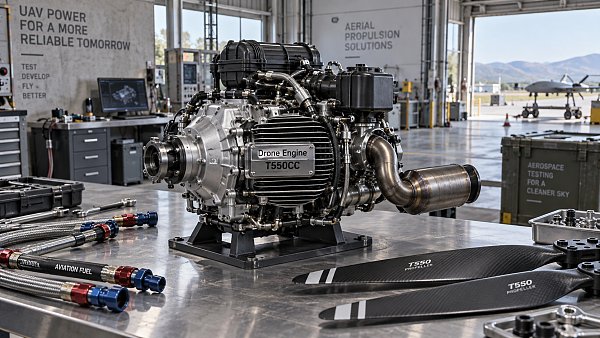
Choosing a UAV engine is an airframe integration decision, not a standalone purchase. Payload, endurance, altitude, cooling, fuel logistics, vibration, propeller matching, control interfaces, and field service all influence whether the power system works as planned. The selected product page is referenced once through the exact core product term, Drone Engine-T550CC, so editors can retain a natural reading experience while readers can verify the product scope.
This article is written as a application solution guide. It focuses on mission-to-propulsion matching, system integration, staged testing, and operational readiness. The intended readers include procurement managers, importers, distributors, engineers, maintenance teams, project owners, and quality staff who need a documented decision path rather than a short catalog description.
Start With the Mission Envelope
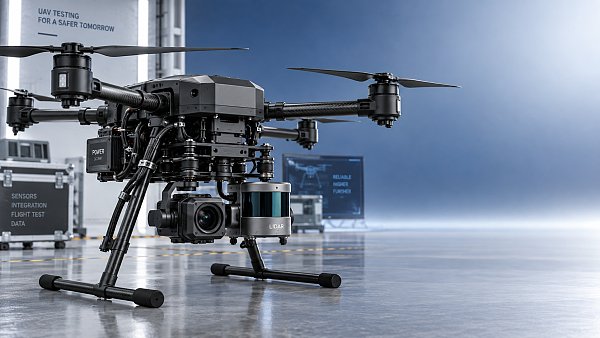
An engine decision should begin with the aircraft mission: payload, take-off weight, cruise or climb demand, endurance target, altitude, temperature, launch method, and recovery plan. A product that fits a laboratory airframe may need a different integration review when the same platform carries sensors, fuel, or a delivery system.
The buyer should turn the mission into a written envelope before requesting a final quotation. Include expected operating hours, duty cycle, propeller or rotor arrangement, fuel availability, control architecture, and transport conditions. This gives the engine supplier enough context to discuss configuration and avoids treating a catalog model as a complete aircraft design.
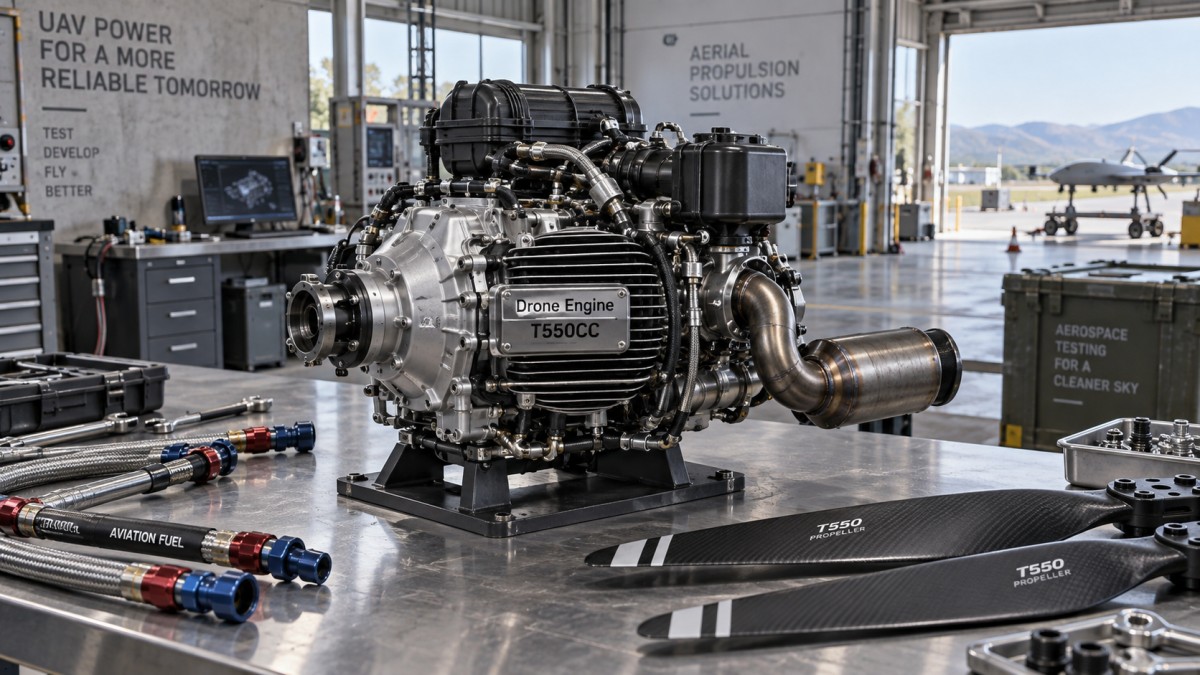
Match the Engine to the Airframe and Propulsion Train
Engine output is only one part of a UAV propulsion system. The airframe, propeller, reduction or direct-drive arrangement, exhaust routing, fuel tank, starter, generator needs, and electronic control interfaces must be considered together. The structural team should also review mounting loads and access for inspection.
A good application plan defines interface responsibility. The engine supplier should confirm what is included with the power unit, while the airframe integrator confirms mounts, cooling ducts, fuel lines, wiring, sensors, and control logic. Clear boundaries reduce the risk that a missing accessory is discovered during ground testing.
Cooling, Vibration, and Fuel Planning Cannot Be Added Late
Thermal management should be tested in the installed configuration. Duct size, airflow path, radiator or heat exchanger position where applicable, ambient temperature, climb profile, and cowling design all influence operating stability. A bench result does not automatically describe the same engine inside a finished UAV.
Vibration control deserves the same attention. Mount stiffness, propeller balance, exhaust support, and sensor isolation can affect airframe fatigue and data quality. Fuel filtration, tank venting, pump arrangement, and emergency shutoff should be reviewed before the prototype flies, with responsibilities recorded in the integration file.
Use Staged Tests to Build Evidence
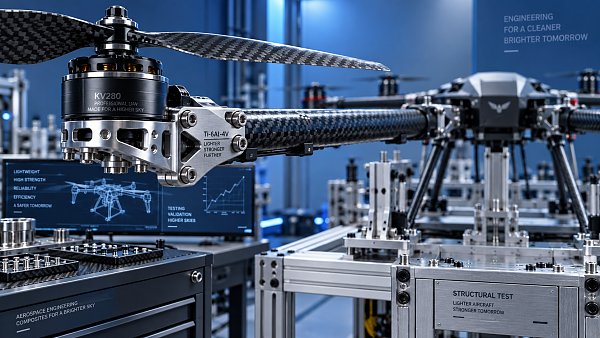
A practical program moves from document review to component inspection, bench or static testing, installed ground runs, taxi or tethered checks where appropriate, and controlled flight evaluation. Each stage should have a defined purpose, acceptance observation, and record of configuration.
Testing should capture more than whether the engine starts. Monitor temperature behavior, vibration, control response, fuel use, charging or accessory output where relevant, fastener condition, and shutdown behavior. The exact limits should come from the approved engineering plan and supplier documentation rather than being invented after a problem appears.
Prepare the Field Service Package Before Delivery
Unmanned aircraft operators need a service plan that matches the mission location. The package may include manuals, parts lists, recommended inspection intervals, consumables, tool requirements, fault records, and a clear route for technical questions. The final scope must be confirmed with the supplier for the selected engine configuration.
A complete handover also protects future orders. Record the engine model, serial or batch identity, installed accessories, propeller arrangement, software or control settings, and test results. When an airframe is repaired or moved to another operator, that record helps the next team understand what was actually approved and flown.
Supplier Evaluation Table
Risk Review Before Order Confirmation
The main risks in this category include underestimating payload demand, poor cooling layout, incorrect propeller matching, vibration transfer, fuel-system mismatch, incomplete test records, unclear spare-parts scope, and unsupported field maintenance. They can appear during specification review, production, shipment, installation, commissioning, customer acceptance, or the next reorder. Waiting until the goods or equipment arrive usually leaves the buyer with fewer practical options.
Before approval, ask the supplier to confirm the product identity, technical scope, intended application, packaging or integration boundary, document availability, inspection method, and any known limitation. For materials, confirm grade, purity, dimensions, surface, storage, and lot information. For machinery or engines, confirm interfaces, accessories, test records, operating assumptions, and service responsibility.
Keep a written comparison file. It should include the core product keyword, exact landing page, quotation assumptions, approved documents, open questions, and the person responsible for final technical acceptance. A shared record prevents purchasing, engineering, warehouse, and maintenance teams from working from different versions of the same order.
Pre-Approval Workflow for a Cleaner Purchase
A disciplined workflow begins with the real use case and separates mandatory requirements from preferences. The supplier then confirms whether the requested item is standard, custom, stocked, or subject to production scheduling. Next, both sides review documents, drawings, labels, samples, photos, or test evidence before the order reaches an expensive stage. Packing, transport, storage, installation, and arrival inspection are then assigned to named teams.
The final step is to record the accepted scope for future reference. This matters because many disputes arise from silent assumptions: a different suffix, package, purity basis, accessory, clearance, cooling arrangement, or document format. A written pre-approval file gives the buyer and supplier a common reference without making unsupported promises.
Portal Match and Category Rationale
The recommended portal is hycmoop.com, with the single final category UAV & Aerospace Metrics|Commercial Payloads. The category path comes from the latest directory and uses one real secondary label under its stated primary label. It is intentionally presented as one path rather than a group of secondary columns separated by punctuation.
The selected category fits UAV Engines and Unmanned Aerial Propulsion Systems. The bearing article belongs near industrial bearings and motion components, the adipic acid article belongs near specialty chemicals, and the UAV engine article belongs near commercial payload and aerospace metrics. A consistent relationship between title, product keyword, technical angle, landing page, portal, and category makes the article easier for an editor to route.
Procurement Checklist
- Confirm the core product keyword: Drone Engine-T550CC.
- Confirm the exact landing page URL shown in the metadata.
- Use only the selected final category: UAV & Aerospace Metrics|Commercial Payloads.
- Define application, destination, quantity or integration stage, documents, packing, and acceptance requirements before comparing offers.
- Ask each supplier to state the assumptions behind its quotation.
- Request practical evidence such as labels, drawings, certificates, inspection notes, test records, photos, or packing proof where relevant.
- Check shipment, storage, installation, commissioning, and service risks before release.
- Keep approved records for repeat orders and supplier change review.
FAQ
Why is one core product keyword used?
One keyword keeps the article aligned across the title, visible TDK, metadata, anchor text, landing page, and portal category. Related terms can appear naturally in the body, but the publishing record remains easy to audit.
Why is there only one external link?
One contextual product link gives readers a clear verification point without turning the article into a list of promotional links. It also keeps the editorial purpose separate from the publishing record.
What should buyers compare first?
Start with application fit and specification scope. Then compare evidence quality, packaging or integration responsibility, logistics, documentation, communication, and repeat-supply discipline. A lower initial quote is not comparable if these items are undefined.
What should be checked before publication?
The publisher should confirm the portal, one final category path, product keyword, landing URL, visible TDK, title, and house style. Any claims about certification, performance, price, or market data should be checked against current supplier evidence.
Search News
Hot Articles
- Carbon Fiber StructuresHow to Specify Aerospace Carbon Fiber Assemblies for Lightweight, Load-Bearing PartsJul 11, 2026
- Machine VisionXiaomi, Alibaba DAMO Academy Drive Open-Source Robotics Model Ecosystem, Lowering Algorithm Development Barriers for Overseas SMEs Adopting Chinese Robotics SolutionsMar 30, 2026
- Cobots & ArmsShanxi 'AI+' Conference Showcases Embodied Intelligence with Multinational Buyer Engagement: Key Industry ImplicationsMar 30, 2026
Popular Tags
Recommended News
 Jul 11, 2026How to Specify Aerospace Carbon Fiber Assemblies for Lightweight, Load-Bearing PartsAerospace carbon fiber assemblies: learn how to specify laminate design, load data, joining methods, and inspection controls for lighter, reliable load-bearing aerospace parts.Elena Rostova (UAV Systems Researcher)
 Mar 30, 2026Xiaomi, Alibaba DAMO Academy Drive Open-Source Robotics Model Ecosystem, Lowering Algorithm Development Barriers for Overseas SMEs Adopting Chinese Robotics SolutionsXiaomi & Alibaba DAMO Academy's open-source robotics models lower algorithm barriers for global SMEs. Boost efficiency in manufacturing, logistics & smart retail with ROS 2 compatible solutions.TSV Data Lab
 Mar 30, 2026Shanxi 'AI+' Conference Showcases Embodied Intelligence with Multinational Buyer Engagement: Key Industry ImplicationsShanxi 'AI+' Conference highlights embodied intelligence with Tesla, Ubtech & Jiantao showcasing multimodal robotics. 40+ global buyers validated tech on-site, creating new B2B channels for industrial automation & AI solutions.Chen Wei (Automation Lead Engineer)
 Mar 30, 2026Zhongguancun Unveils 6G Integrated Sensing-Computing-Intelligence Platform to Empower Embodied Robots for Global Industrial ApplicationsZhongguancun's new 6G platform revolutionizes industrial robotics with <10ms latency, empowering global automotive, logistics & port automation. Discover how this tech boosts China's smart manufacturing exports.TSV Data Lab
 Mar 30, 2026Mech-Mind Tianjin Embodied Intelligence R&D and Production Base Goes Live, Cutting Delivery Time by 20%–30% for Global Customized AMR+Vision SolutionsMech-Mind's Tianjin AMR+Vision production base cuts delivery time by 20%-30% for欧美 & Latin American markets. Discover how this PLd-certified facility accelerates customized robotics solutions for smart manufacturing and logistics.Chen Wei (Automation Lead Engineer)
 Mar 30, 2026Boao Forum Reveals 'Co-evolution of Big and Small Brains' Trend in Humanoid Robots, China's Embodied Intelligence Accelerates Adaptation to Overseas Manufacturing Service ScenariosDiscover how China's humanoid robots, featuring 'Co-evolution of Big and Small Brains,' are revolutionizing global manufacturing. Learn about Embodied Tian Gong 3.0's ISO compliance and overseas deployment at Boao Forum 2026.Chen Wei (Automation Lead Engineer)
 Mar 30, 2026China Railway Industrial Secures Patent for Embodied Robotics in Material Handling, Boosting High-Precision Delivery Capabilities for Overseas Infrastructure and Manufacturing ProjectsChina Railway Industrial's new patent for embodied robotics in material handling boosts high-precision delivery for global infrastructure & manufacturing. Discover how this innovation enhances logistics accuracy in automotive, rail transit & EPC projects.Chen Wei (Automation Lead Engineer)
 Sep 22, 2026Drone Engine-T550CC Applications: Build the UAV Power System Around the MissionAn application guide for Drone Engine-T550CC integration, covering payload planning, airframe matching, cooling, fuel, vibration, test procedures, documentation, and service preparation.Elena Rostova (UAV Systems Researcher)
 Sep 22, 2026How to Evaluate Industrial Edge Computing Vendors for Factory DeploymentIndustrial edge computing vendor evaluation guide for factories: compare latency, protocol fit, reliability, security, and lifecycle support before deployment.TSV Data Lab
 Sep 21, 2026Drone Payload Integration: Matching Power, Data, and Center of Gravity for Reliable FlightsDrone payload integration made practical: balance power, data, center of gravity, and endurance to build safer, more reliable mission-ready flights.Elena Rostova (UAV Systems Researcher)
 Sep 20, 2026Autonomous Navigation Pricing: Cost Drivers and Budget Benchmarks for AMR ProjectsAutonomous navigation price explained: compare AMR cost drivers, software, sensors, integration, safety, and lifecycle budgets to build a scalable project plan.Chen Wei (Automation Lead Engineer)
 Sep 19, 2026How to Scope Automation Integration Services for Multi-System Factory ProjectsAutomation integration services: learn how to scope multi-system factory projects with clear workflows, interface contracts, safety boundaries, and acceptance criteria.Victor Lin (Chief Software Architect)
 Sep 18, 2026Selecting UAV Aerospace Structural Parts for Strength, Weight, and Fatigue LifeUAV aerospace structural parts guide: compare strength, weight, stiffness, fatigue life, joints, and traceability to select reliable flight-ready components.Elena Rostova (UAV Systems Researcher)
 Sep 17, 2026Selecting Commercial Drone Payloads for European Inspection ProjectsCommercial drone payloads Europe: learn how to select RGB, thermal and LiDAR systems for compliant, reliable inspection data and better project outcomes.Elena Rostova (UAV Systems Researcher)
 Sep 16, 2026Machining Tolerance Validation: How to Verify Critical Dimensions Before Production ReleaseMachining tolerance analysis validation: verify critical dimensions, measurement systems, process capability, and tolerance stacks before production release.Dr. Marcus Vance
 Sep 15, 2026AGV Tape Guidance vs Laser Navigation: Which Fits Your Warehouse Layout?AGV tape guidance comparison: discover how tape and laser navigation fit changing warehouse layouts, docking needs, floor conditions, maintenance, and route flexibility.Chen Wei (Automation Lead Engineer)
 Sep 14, 2026How Point Cloud Analytics Improves Asset Inspection Workflows Across GCC ProjectsPoint cloud analytics GCC helps project leaders improve asset inspections with accurate change detection, safer workflows, and faster maintenance decisions.TSV Data Lab
 Sep 13, 2026How Aerospace Manufacturers Can Build a Digital Thread From Design to Certified ProductionDigital manufacturing for aerospace: learn how to build a traceable digital thread from design through certified production, supplier control, and audit-ready compliance.Victor Lin (Chief Software Architect)
 Sep 12, 2026How to Select a Thermal Sensor for Mapping Drones in Surveying ProjectsMapping drone thermal sensor selection made simple: compare GSD, radiometric data, NETD, calibration, and workflow fit for accurate, survey-ready thermal maps.Elena Rostova (UAV Systems Researcher)
 Sep 11, 2026Integrating Photogrammetry Workflows into Digital Twin Projects Without Data BottlenecksPhotogrammetry workflow integration for digital twins: learn how to streamline capture, validation, versioning, and delivery to prevent data bottlenecks.Victor Lin (Chief Software Architect)
 Sep 10, 2026Hard-Tech Supply Chain Procurement: Qualifying Suppliers to Cut Lead-Time RiskHard-tech supply chain procurement guide: qualify suppliers with proven process, traceability, capacity, and change control to reduce lead-time risk.Chen Wei (Automation Lead Engineer)
 Sep 09, 2026Industrial Application Notes: Cost Factors That Shape Automation Project BudgetsIndustrial application notes cost factors explained: uncover the engineering, safety, integration, and commissioning variables that shape accurate automation budgets.Victor Lin (Chief Software Architect)
 Sep 08, 2026Supplier Discovery for Sourcing: How Buyers Can Verify Capability and Supply RiskSupplier discovery for sourcing: learn how to verify supplier capability, traceability, quote assumptions, and supply risk before placing production orders.TSV Data Lab
 Sep 07, 2026What Determines Process Control Systems Pricing? A Buyer’s Cost GuideProcess control systems pricing explained: compare hardware, engineering, integration, cybersecurity, validation, and lifecycle costs to choose the right-value solution.Victor Lin (Chief Software Architect)