
Industrial IoT gateway factory audits that catch real risks
Publication Date
author
Choosing an industrial IoT gateway factory should never rely on brochures alone. For engineers, buyers, and executives comparing an edge AI computing box supplier, mmWave radar manufacturer, or solid state LiDAR manufacturer China options, the real question is simple: can this factory consistently build, test, trace, and support what it claims? A proper factory audit is how you find out. The most valuable audits do not focus on showroom polish or presentation quality. They uncover the operational risks hidden behind attractive datasheets—process drift, poor traceability, weak incoming inspection, inconsistent burn-in, undocumented engineering changes, and quality systems that look formal but fail under pressure. If your goal is to reduce sourcing risk, shorten qualification cycles, and avoid expensive field failures, the audit must be designed to catch measurable evidence of real manufacturing capability.
What a good industrial IoT gateway factory audit should actually prove
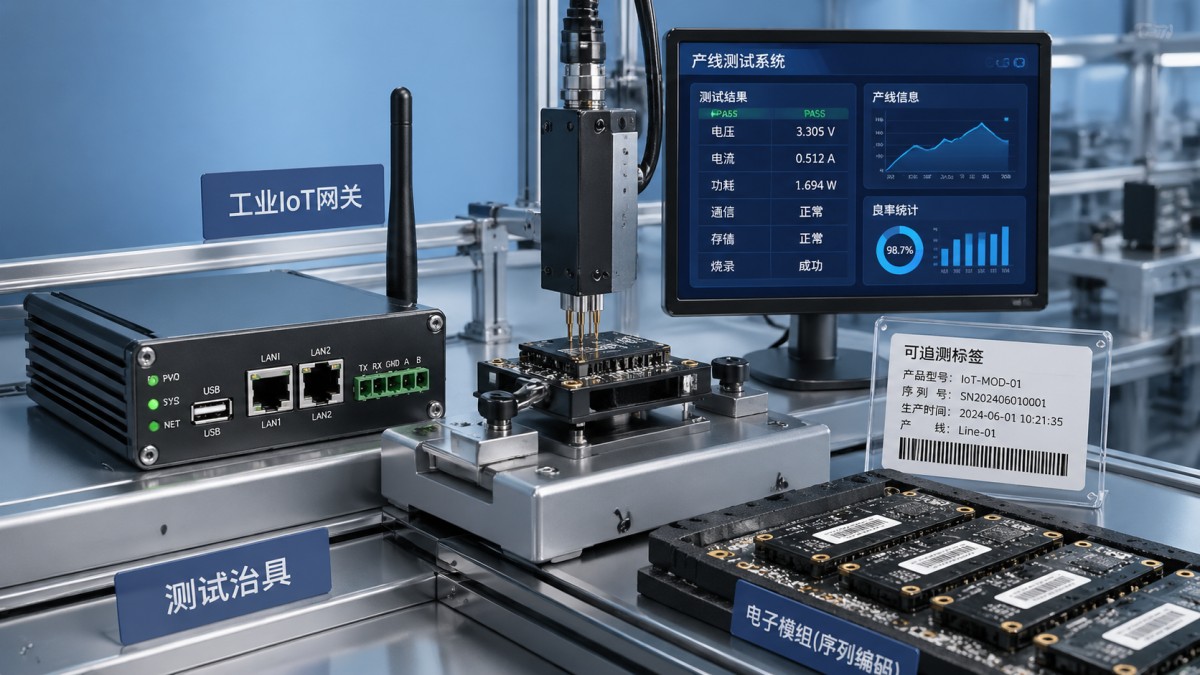
For most searchers, the intent behind “industrial IoT gateway factory audits that catch real risks” is not to learn what an audit is in theory. It is to understand how to verify whether a supplier can reliably deliver industrial gateways for real deployment environments.
That means the audit should answer five practical questions:
- Can the factory build the product consistently? Not just one golden sample, but repeatable production across batches.
- Can it control quality at the process level? Strong factories detect failures before shipment rather than after customer complaints.
- Can it trace components, firmware, and test results? This matters when failures appear months later in the field.
- Can it manage engineering change without creating hidden incompatibility? Critical for edge computing boxes and industrial IoT gateways where hardware and software interact tightly.
- Can it support long lifecycle industrial programs? Especially important for buyers planning multiyear deployments.
For procurement teams, this reduces supplier qualification risk. For engineers, it validates technical credibility. For operators and users, it helps avoid unstable devices, intermittent communications, thermal failures, and support headaches. For executives, it protects rollout schedules, warranty cost, and brand reputation.
Why brochures and sample units miss the biggest factory risks
A sample that passes lab evaluation is not proof of manufacturing maturity. In industrial electronics, many failures come from scale-up, substitution, weak work instructions, or poor process control rather than basic design flaws.
Common hidden risks include:
- Process drift: Assembly quality changes from one lot to the next because torque control, soldering parameters, or inspection discipline are inconsistent.
- Uncontrolled substitutions: Components are replaced due to supply constraints without full validation of thermal, EMC, or long-term performance impact.
- Weak firmware traceability: Units in the field run different versions without clear release control.
- Superficial testing: Factories run basic power-on tests but skip realistic stress conditions such as temperature load, network throughput, RF coexistence, or prolonged burn-in.
- Inadequate ESD and handling discipline: Products may pass final test but suffer latent failures later.
- Overreliance on manual inspection: Quality depends on individual workers rather than controlled systems.
This is why an edge AI computing box supplier or industrial IoT gateway factory should be evaluated as a process system, not just a product source. The real objective is to determine whether the factory can hold performance over time, not only during your visit.
Audit checkpoints that reveal real manufacturing capability
The most useful audit model follows the physical flow of product realization: incoming materials, storage, production, testing, release, and after-sales traceability.
1. Incoming material control
Ask how the factory verifies key components such as CPUs, memory, communication modules, power components, connectors, antennas, radar modules, or optical sensing parts. For an industrial IoT gateway, incoming inspection should not stop at checking labels and quantities.
- Is there approved vendor list control?
- Are critical components tied to part revision records?
- Are counterfeit prevention and lot traceability procedures in place?
- Are high-risk parts sampled for electrical or dimensional verification?
If the supplier cannot clearly show how it controls incoming risk, later process quality becomes much less meaningful.
2. Production process control
Walk the line and compare actual execution against written SOPs. This is where polished suppliers often fail. Look for:
- Clear workstation instructions with revision control
- Torque-controlled assembly where applicable
- Soldering profile control and rework discipline
- ESD compliance actually followed on the floor
- Calibration status of critical tools and test fixtures
- In-process quality gates rather than only final inspection
A strong factory can explain which process steps are most failure-sensitive and what controls are used to prevent escape.
3. Test coverage and realism
This area often makes or breaks an audit. Ask not only whether they test, but what conditions they simulate and how results are recorded.
For industrial IoT gateway production, useful evidence may include:
- Functional test coverage for Ethernet, serial, CAN, wireless, GPIO, and protocol interfaces
- Power cycling and boot reliability validation
- Thermal load or burn-in procedures
- Network throughput and latency verification
- EMC pre-check or immunity-related process awareness
- Antenna or RF performance consistency if wireless connectivity is integrated
- Firmware flashing verification and version binding to serial number
If you are also comparing adjacent suppliers such as an mmWave radar manufacturer or a solid state LiDAR manufacturer China source, this same principle applies: the test system should reflect actual use stress, not only bench-top pass/fail events.
4. Traceability and data retention
One of the clearest indicators of factory maturity is whether it can trace a shipped unit backward to components, operators, firmware, test results, and inspection records.
Minimum traceability questions include:
- Can serial number history be retrieved quickly?
- Are production and test records linked digitally or only on paper?
- How long are quality records retained?
- Can the factory isolate affected lots after a field issue?
Without strong traceability, even a manageable failure can become a costly, broad recall or a prolonged root-cause investigation.
5. Engineering change control
In industrial electronics, many field issues begin with poorly controlled changes. Ask the factory to walk through a recent BOM, firmware, or process change and show the approval path, validation evidence, and customer notification rules.
High-risk warning signs include undocumented substitutions, unclear version labeling, or engineering changes communicated informally through chat or verbal instruction.
How to tell whether a supplier’s quality system is real or only presentation-ready
Many factories know how to prepare for audits. The challenge is separating audit theater from true operational discipline.
Here are practical ways to test this:
- Follow one product from receiving to shipment. Do records remain complete and consistent throughout the chain?
- Ask operators, not only managers. Can they explain critical steps and defect criteria clearly?
- Check random records. Do calibration logs, inspection reports, and process documents match actual timestamps and revisions?
- Review nonconformance handling. Are defects analyzed with root cause and corrective action, or just sorted out?
- Look at rework control. Rework is not always a problem, but uncontrolled rework often is.
- Ask for yield trends. Mature factories monitor FPY, defect Pareto, return reasons, and supplier quality trends.
The best suppliers are usually transparent about recurring issues and can show what changed because of them. A factory that claims near-perfect quality but cannot show disciplined continuous improvement should be treated cautiously.
Questions procurement, engineering, and management should ask during the audit
Different stakeholders use the same audit differently. The most efficient audits align questions to each decision-maker’s risk.
For procurement teams
- What percentage of key components are single-source?
- How are lead-time disruptions handled?
- What is the supplier’s on-time delivery performance?
- What quality KPIs are shared with customers?
- How are warranty returns analyzed and closed?
For engineers and technical evaluators
- What validation separates prototype readiness from mass production readiness?
- How are thermal, EMC, vibration, and interface reliability risks controlled?
- What test limits are used, and how were they chosen?
- How are firmware and hardware compatibility maintained over revisions?
- Which failure modes are most common, and what preventive controls exist?
For executives and business decision-makers
- Can this supplier support scale without quality degradation?
- What is the operational risk if demand doubles?
- How resilient is the factory to staff turnover or supply shocks?
- Does the supplier’s process maturity justify long-term partnership?
- What hidden costs could emerge after launch?
These questions matter because the best sourcing outcome is not simply a lower unit price. It is a lower total cost of ownership across deployment, support, replacement, downtime, and qualification effort.
Red flags that often predict field failures later
Some audit findings deserve immediate escalation because they correlate strongly with future quality trouble.
- No reliable lot traceability for critical components
- Frequent manual firmware loading without version verification
- Test records that cannot be tied to unique serial numbers
- Large dependence on operator judgment for pass/fail decisions
- Unlabeled rework stations or weak segregation of nonconforming goods
- Poor ESD control in electronics assembly areas
- Inconsistent document revisions across line stations
- No evidence of preventive action after repeated defects
- Limited understanding of industrial deployment conditions such as heat, vibration, dust, or unstable power
If several of these appear together, the issue is usually not one bad process but weak factory management discipline overall.
What strong audit evidence looks like in practice
A credible industrial IoT gateway factory does not need to be perfect. It does need to be measurable, controlled, and honest about risk.
Strong evidence usually includes:
- Documented control plans for critical processes
- Digitally linked production and test traceability
- Well-maintained calibration and maintenance systems
- Clear defect trend analysis and CAPA closure
- Controlled engineering change process with validation records
- Burn-in or stress screening matched to product risk profile
- Operators trained to defined standards and periodically requalified
- Willingness to show real data instead of only certifications
This is also where data-driven sourcing aligns with TSV’s engineering-first perspective: meaningful supplier evaluation depends on evidence that can be checked, trended, and compared—not adjectives.
How to use audit results to make a better sourcing decision
The final step is not just “pass” or “fail.” It is ranking risk and deciding whether the supplier is suitable for your application, volume, and lifecycle demands.
A practical approach is to score findings across four dimensions:
- Quality system maturity
- Process control depth
- Traceability and change management
- Application-fit testing capability
Then classify the supplier into one of three groups:
- Qualified for deployment: Risks are controlled and evidence is consistent.
- Conditionally qualified: Supplier is usable after corrective actions, pilot builds, or additional validation.
- High-risk: Core controls are missing, and field failure probability or support burden is unacceptably high.
This framework is especially useful when comparing multiple suppliers across industrial gateways, edge AI hardware, sensing devices, or related embedded systems. It converts site observations into sourcing decisions with real business meaning.
Conclusion
The best factory audits do not reward polished slides or busy production floors. They expose whether a supplier can repeatedly deliver industrial products under controlled conditions, with traceability, realistic testing, and disciplined change management. For anyone evaluating an industrial IoT gateway factory, an edge AI computing box supplier, an mmWave radar manufacturer, or a solid state LiDAR manufacturer China partner, the real value of the audit is risk visibility. When you focus on measurable process evidence instead of marketing language, you make better sourcing decisions, reduce qualification waste, and protect both engineering outcomes and commercial results.
Search News
Hot Articles
- Carbon Fiber StructuresHow to Specify Aerospace Carbon Fiber Assemblies for Lightweight, Load-Bearing PartsJul 11, 2026
- Machine VisionXiaomi, Alibaba DAMO Academy Drive Open-Source Robotics Model Ecosystem, Lowering Algorithm Development Barriers for Overseas SMEs Adopting Chinese Robotics SolutionsMar 30, 2026
- Cobots & ArmsShanxi 'AI+' Conference Showcases Embodied Intelligence with Multinational Buyer Engagement: Key Industry ImplicationsMar 30, 2026
Popular Tags
Recommended News
 Jul 11, 2026How to Specify Aerospace Carbon Fiber Assemblies for Lightweight, Load-Bearing PartsAerospace carbon fiber assemblies: learn how to specify laminate design, load data, joining methods, and inspection controls for lighter, reliable load-bearing aerospace parts.Elena Rostova (UAV Systems Researcher)
 Mar 30, 2026Xiaomi, Alibaba DAMO Academy Drive Open-Source Robotics Model Ecosystem, Lowering Algorithm Development Barriers for Overseas SMEs Adopting Chinese Robotics SolutionsXiaomi & Alibaba DAMO Academy's open-source robotics models lower algorithm barriers for global SMEs. Boost efficiency in manufacturing, logistics & smart retail with ROS 2 compatible solutions.TSV Data Lab
 Mar 30, 2026Shanxi 'AI+' Conference Showcases Embodied Intelligence with Multinational Buyer Engagement: Key Industry ImplicationsShanxi 'AI+' Conference highlights embodied intelligence with Tesla, Ubtech & Jiantao showcasing multimodal robotics. 40+ global buyers validated tech on-site, creating new B2B channels for industrial automation & AI solutions.Chen Wei (Automation Lead Engineer)
 Mar 30, 2026Zhongguancun Unveils 6G Integrated Sensing-Computing-Intelligence Platform to Empower Embodied Robots for Global Industrial ApplicationsZhongguancun's new 6G platform revolutionizes industrial robotics with <10ms latency, empowering global automotive, logistics & port automation. Discover how this tech boosts China's smart manufacturing exports.TSV Data Lab
 Mar 30, 2026Mech-Mind Tianjin Embodied Intelligence R&D and Production Base Goes Live, Cutting Delivery Time by 20%–30% for Global Customized AMR+Vision SolutionsMech-Mind's Tianjin AMR+Vision production base cuts delivery time by 20%-30% for欧美 & Latin American markets. Discover how this PLd-certified facility accelerates customized robotics solutions for smart manufacturing and logistics.Chen Wei (Automation Lead Engineer)
 Mar 30, 2026Boao Forum Reveals 'Co-evolution of Big and Small Brains' Trend in Humanoid Robots, China's Embodied Intelligence Accelerates Adaptation to Overseas Manufacturing Service ScenariosDiscover how China's humanoid robots, featuring 'Co-evolution of Big and Small Brains,' are revolutionizing global manufacturing. Learn about Embodied Tian Gong 3.0's ISO compliance and overseas deployment at Boao Forum 2026.Chen Wei (Automation Lead Engineer)
 Mar 30, 2026China Railway Industrial Secures Patent for Embodied Robotics in Material Handling, Boosting High-Precision Delivery Capabilities for Overseas Infrastructure and Manufacturing ProjectsChina Railway Industrial's new patent for embodied robotics in material handling boosts high-precision delivery for global infrastructure & manufacturing. Discover how this innovation enhances logistics accuracy in automotive, rail transit & EPC projects.Chen Wei (Automation Lead Engineer)
 Oct 25, 2026Hesai Leads Global ADAS Main Lidar Shipments in Yole’s 2026 ReportHesai led global ADAS main lidar shipments with a 43% share in 2025, according to Yole’s 2026 report. Explore what this ranking reveals about its automotive market position.TSV Data Lab
 Oct 25, 2026Choosing an Aerospace Materials Manufacturer: Quality and Traceability ChecksChoosing an aerospace materials manufacturer? Learn how to verify certifications, test reports, and lot traceability to qualify suppliers confidently and reduce costly sourcing risks.Dr. Marcus Vance
 Oct 24, 2026Guotai Haitong: Global Entry-Level 3D Printer Shipments Rose 39% in Q1 2026Entry-level 3D printer shipments rose 39% in Q1 2026, Guotai Haitong reports. Explore how AI, multicolor printing and print farms are shaping market growth.Dr. Marcus Vance
 Oct 24, 2026Choosing an Industrial Vision Inspection Supplier: Acceptance Tests That MatterChoose an industrial vision inspection supplier with confidence. Discover acceptance tests for defect detection, false rejects, production speed, and reliable part rejection before you buy.TSV Data Lab
 Oct 23, 2026US Navy Raises Gecko Robotics Contract Ceiling to $300M for Robotic Fleet MaintenanceUS Navy raises Gecko Robotics’ contract ceiling to $300M for Pacific Fleet robotic inspections. Explore potential opportunities for maintenance suppliers and key procurement considerations.Chen Wei (Automation Lead Engineer)
 Oct 23, 2026Choosing Industrial Sensing Systems for Global Plants: Protocol CompatibilityCompare industrial sensing systems international buyers can trust. Explore protocol compatibility, reduce integration risks, and select proven configurations for reliable global plant deployments.TSV Data Lab
 Oct 22, 2026KUKA Showcases Physical AI and iiQKA.AI Vision at NVIDIA GTC BerlinExplore KUKA’s Physical AI showcase at NVIDIA GTC Berlin and discover how iiQKA.AI Vision aims to simplify robotic vision integration and improve 2D and 3D scene recognition.TSV Data Lab
 Oct 22, 2026Robotic Machining of Advanced Composites: What Tolerances Are Achievable?Explore advanced materials machining robotics: discover what drives achievable composite tolerances and how to validate accuracy before investing in your next machining system.Dr. Marcus Vance
 Oct 21, 2026China’s Industrial Robot Exports Near RMB 10 Billion in First Nine Months of 2026China’s industrial robot exports neared RMB 10 billion in January–September 2026, with value rising faster than volume. Explore the data and what it could mean for suppliers.Chen Wei (Automation Lead Engineer)
 Oct 21, 2026Low-Latency Industrial Data Processing: Pricing and Key Cost DriversExplore industrial data latency price drivers, from edge hardware to integration and support. Learn how to compare quotes, verify performance, and avoid unnecessary costs.TSV Data Lab
 Oct 20, 2026KUKA Launches iiQKA.AI Vision to Simplify Industrial Image ProcessingKUKA iiQKA.AI Vision simplifies industrial image processing with controller-based 2D and 3D vision. Explore drag-and-drop setup for vision-guided automation.TSV Data Lab
 Oct 20, 2026Smart Industrial Edge Devices: Key Criteria for Legacy PLC IntegrationChoose smart industrial edge devices for legacy PLC integration. Discover key criteria for compatibility, data quality, security, and reliable collection without disrupting control.TSV Data Lab
 Oct 19, 2026Choosing a Radar Sensor by Application: Range, Resolution, and Field of ViewSimplify radar sensor application based product selection. Compare range, resolution, and field of view to avoid blind spots and choose with confidence. Explore the guide.TSV Data Lab
 Oct 18, 2026Comparing Material Options for Procurement: Specs, Costs, and Supply RisksExplore procurement oriented technical content on material options, specs, costs, and supply risks. Compare alternatives to cut hidden expenses and make confident sourcing decisions.Dr. Marcus Vance
 Oct 17, 20265-Axis CNC Positioning Accuracy: How to Interpret ISO 230-2 Test ResultsAssess 5 axis CNC machining positioning accuracy with ISO 230-2. Learn to interpret repeatability, reversal error, and test conditions to compare suppliers and make confident acceptance decisions.Dr. Marcus Vance
 Oct 16, 2026Choosing a Rugged Edge AI Box Supplier: Thermal Tests and Lifecycle SupportChoose a rugged edge AI box supplier with proven thermal performance and reliable lifecycle support. Discover the tests and commitments to verify before you buy.TSV Data Lab
 Oct 15, 2026R&D Cost Reduction Services: How to Evaluate Fees, Savings, and ROIEvaluate R&D cost reduction services with confidence. Compare fees, verify savings, and calculate ROI without compromising performance. Discover how to choose a provider that delivers real value.Chen Wei (Automation Lead Engineer)























