
Servo Motors for Industrial Automation: Where Oversizing Hurts
Publication Date
author
In servo motors for industrial automation, bigger is not always better. Oversizing can reduce efficiency, increase heat, destabilize tuning, and raise total system cost—especially in high-precision lines such as industrial robots for palletizing applications and servo motors for CNC machine tools. This article examines where excess torque margin hurts performance, how engineers should size motors by load data, and what procurement teams should verify before specifying motion systems.
Many engineers and buyers assume that specifying a larger servo motor is the safest option. It feels like cheap insurance against missed torque requirements, future process changes, or unexpected overloads. In practice, however, oversizing often creates the very problems teams are trying to avoid: poorer controllability, unnecessary energy use, higher cabinet and drive costs, more mechanical stress, and slower optimization during commissioning.
The core answer is simple: servo motor sizing should be driven by real motion profiles, inertia ratios, peak and continuous torque requirements, duty cycle, thermal limits, and application precision targets. A motor with excessive torque margin is not automatically more reliable. In many industrial automation systems, it is less efficient and harder to tune.
Why oversizing servo motors hurts more often than people expect
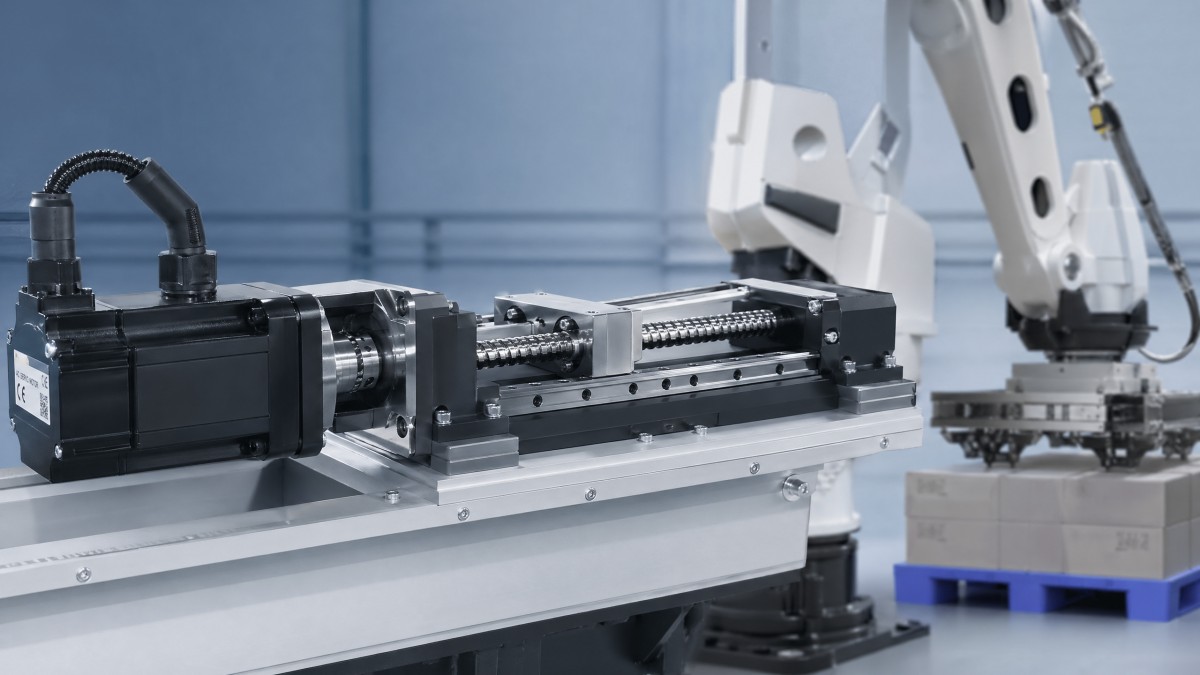
Oversizing becomes harmful when the selected motor is significantly larger than the application actually requires in continuous torque, peak torque, rotor inertia, or frame size. While a reasonable design margin is good engineering practice, excessive margin changes system behavior.
In industrial automation, servo systems are chosen not just to move a load, but to move it accurately, repeatedly, and efficiently. When the motor is too large, several issues appear at once:
- Lower efficiency at normal operating points: The motor may spend most of its time lightly loaded, outside its most efficient region.
- Higher thermal burden on the overall system: Larger motors and drives can increase losses and cabinet heat, even if the process load is modest.
- Worse tuning behavior: Excessive stiffness and higher available torque can make the axis more sensitive to oscillation, overshoot, or mechanical resonance.
- Increased mechanical wear: Couplings, gearboxes, ballscrews, belts, and bearings may see more aggressive acceleration or shock loads than necessary.
- Higher total cost of ownership: Motor price is only part of the cost; larger drives, cables, power infrastructure, and mounting changes add up quickly.
This is especially relevant in precision-intensive applications. A palletizing robot may seem like a torque-heavy machine, but that does not mean every axis benefits from a larger motor. Likewise, servo motors for CNC machine tools must often balance dynamic response, contour accuracy, and thermal stability—areas where oversizing can work against performance.
Where oversizing does the most damage in real automation applications
Not every machine is equally sensitive to oversizing. The biggest penalties appear in applications where dynamic control, repeatability, and cycle efficiency matter more than brute force alone.
1. High-precision positioning axes
Pick-and-place systems, electronic assembly equipment, indexing tables, and metrology-related motion stages often require fast settling time and tight repeatability. A larger-than-needed servo can increase inertia mismatch or force the control loop into a narrower stable tuning window. The result may be acceptable motion on paper but worse real-world positioning performance.
2. Servo motors for CNC machine tools
In CNC axes, oversizing can compromise smooth interpolation, thermal consistency, and fine control at low-to-mid operating loads. CNC systems often benefit from well-matched motors that support stable acceleration, predictable thermal behavior, and accurate path following. If the selected servo is too large, the machine may become harder to tune for both speed and finish quality.
3. Industrial robots for palletizing applications
Palletizing robots need repeatable motion, controlled acceleration, and efficient multi-axis coordination. Oversizing one or more axes can distort dynamic balance across the robot, increase structural vibration, and consume more energy across repetitive cycles. When cycle counts are high, even small inefficiencies become meaningful operating costs.
4. Conveyor synchronization and packaging machinery
In synchronized motion systems, motor sizing affects registration accuracy, line smoothness, and start-stop behavior. A servo that is too large can produce abrupt motion or require conservative tuning to maintain stability. That can reduce throughput instead of increasing it.
5. Vertical axes and load-holding systems
For vertical loads, some designers oversize motors as a precaution. But many of these applications are better served by a balanced combination of proper brake selection, gearbox choice, counterbalance methods, and accurate torque calculation. A larger motor alone is not always the safest or most economical answer.
How to size a servo motor correctly instead of “playing safe”
The best servo motor sizing process starts with measured or modeled load data—not habit, fear, or broad percentage rules used without context.
At minimum, engineering teams should evaluate the following:
- Motion profile: acceleration, deceleration, constant-speed segments, dwell time, direction changes, and cycle frequency
- Peak torque requirement: the highest short-duration torque needed during acceleration or disturbance events
- Continuous torque requirement: the RMS torque over the real duty cycle
- Load inertia and reflected inertia: including gearbox, screw, pulley, or rotating mechanism effects
- Required speed range: continuous operating speed and any short-term maximum speed demand
- Thermal environment: ambient temperature, enclosure conditions, ventilation, and duty severity
- Precision target: settling time, repeatability, contour accuracy, and allowable overshoot
- Mechanical constraints: shaft loads, mounting limitations, backlash sources, and resonance zones
A practical approach is to build the selection around the real RMS load and peak demand, then apply a justified engineering margin. That margin should reflect uncertainty in the application, not replace calculation. In many cases, a moderate margin is enough. Excessive margin usually shifts cost and risk elsewhere in the machine.
For teams managing multiple machine variants, it may be tempting to standardize on one larger servo motor across all models. This can simplify inventory, but it should be validated against control performance, energy use, and BOM impact. Standardization that hurts machine behavior is not true simplification.
What procurement teams should verify before approving a servo motor specification
For buyers and sourcing managers, the risk is not just overpaying for a larger motor. The bigger problem is approving a specification that looks conservative but creates hidden costs in commissioning, maintenance, and energy consumption.
Before approving a servo package, procurement should ask engineering or the supplier for clear evidence on these points:
- Was the motor selected from actual load data? Ask for torque-speed curves, inertia assumptions, and duty-cycle calculations.
- What is the designed safety margin? “Bigger is safer” is not a sufficient answer. The margin should be quantified.
- How does the selected motor affect the drive size? Oversizing often forces a larger amplifier, more cabinet space, and heavier power requirements.
- Has tuning risk been considered? Request evidence from simulation, prototype testing, or comparable installed applications.
- What is the impact on energy consumption? In high-cycle automation, this can materially affect lifetime cost.
- Are there mechanical consequences? Confirm effects on gearbox life, screw loading, coupling selection, and structure vibration.
- Is there an application-specific reason for extra torque reserve? For example, process variability, shock events, or future payload changes.
For enterprise decision-makers, this matters because servo motor oversizing is rarely an isolated line-item issue. It influences machine CAPEX, operating cost, commissioning time, spare parts strategy, and supplier qualification confidence.
When a larger servo motor is justified—and when it is not
Oversizing is not always wrong. There are legitimate cases where selecting a larger servo motor is the correct decision.
It may be justified when:
- the load profile includes genuine short-term overload events that cannot be handled within the smaller motor’s safe operating envelope
- the machine is expected to support a verified future payload increase
- the environment is unusually hot or duty severity is high enough to reduce effective thermal capacity
- the selected gearbox ratio or mechanical architecture limits the usable torque-speed range
- safety, uptime, or process stability requirements demand a specific reserve backed by engineering evidence
It is usually not justified when:
- the motor was upsized simply because the exact load data was unavailable
- the selection is based on nominal peak numbers without RMS duty-cycle analysis
- the supplier wants to standardize a larger frame size for convenience rather than fit
- the team assumes a larger motor will automatically improve reliability or precision
- the machine’s true problem is elsewhere, such as poor mechanics, weak tuning, or incorrect transmission design
The key principle is that reserve capacity should solve a defined engineering problem. If it does not, it is probably waste.
Decision framework: a better way to evaluate servo motor sizing choices
For engineering, operations, and procurement teams trying to make a practical decision, the best question is not “Can this motor handle the load?” but “Is this the smallest motor that can meet performance, thermal, and reliability targets with an appropriate margin?”
A strong evaluation framework includes:
- Quantify the actual motion duty cycle using measured or simulated data.
- Compare peak torque and RMS torque against motor capability, not just nameplate size.
- Review inertia matching and control stability for the specific mechanical axis.
- Model thermal performance in the real enclosure and production environment.
- Estimate total installed cost including drive, power, cooling, cabling, and mechanical adaptation.
- Validate with commissioning impact by considering tuning effort, resonance sensitivity, and cycle optimization.
- Document the reason for any extra margin so future sourcing and redesign decisions remain defensible.
This approach supports both technical rigor and procurement discipline. It also aligns with a data-first engineering culture: choose the servo motor that fits the machine, not the one that merely looks safe in a spreadsheet.
Conclusion
In servo motors for industrial automation, oversizing is one of the most common specification mistakes hidden behind good intentions. A motor that is too large can reduce efficiency, increase heat, complicate tuning, raise system cost, and even weaken precision—particularly in servo motors for CNC machine tools and industrial robots for palletizing applications.
The right answer is not to minimize motor size at all costs. It is to size from real load data, define a rational safety margin, and verify the effects on dynamics, thermal performance, and total cost of ownership. For engineers, this leads to better machine behavior. For procurement teams, it reduces hidden lifecycle cost. For business decision-makers, it creates a more reliable basis for supplier evaluation and capital allocation.
In motion systems, precision usually comes from fit, not excess. Bigger is only better when the data proves it.
Search News
Hot Articles
- Carbon Fiber StructuresHow to Specify Aerospace Carbon Fiber Assemblies for Lightweight, Load-Bearing PartsJul 11, 2026
- Machine VisionXiaomi, Alibaba DAMO Academy Drive Open-Source Robotics Model Ecosystem, Lowering Algorithm Development Barriers for Overseas SMEs Adopting Chinese Robotics SolutionsMar 30, 2026
- Cobots & ArmsShanxi 'AI+' Conference Showcases Embodied Intelligence with Multinational Buyer Engagement: Key Industry ImplicationsMar 30, 2026
Popular Tags
Recommended News
 Jul 11, 2026How to Specify Aerospace Carbon Fiber Assemblies for Lightweight, Load-Bearing PartsAerospace carbon fiber assemblies: learn how to specify laminate design, load data, joining methods, and inspection controls for lighter, reliable load-bearing aerospace parts.Elena Rostova (UAV Systems Researcher)
 Mar 30, 2026Xiaomi, Alibaba DAMO Academy Drive Open-Source Robotics Model Ecosystem, Lowering Algorithm Development Barriers for Overseas SMEs Adopting Chinese Robotics SolutionsXiaomi & Alibaba DAMO Academy's open-source robotics models lower algorithm barriers for global SMEs. Boost efficiency in manufacturing, logistics & smart retail with ROS 2 compatible solutions.TSV Data Lab
 Mar 30, 2026Shanxi 'AI+' Conference Showcases Embodied Intelligence with Multinational Buyer Engagement: Key Industry ImplicationsShanxi 'AI+' Conference highlights embodied intelligence with Tesla, Ubtech & Jiantao showcasing multimodal robotics. 40+ global buyers validated tech on-site, creating new B2B channels for industrial automation & AI solutions.Chen Wei (Automation Lead Engineer)
 Mar 30, 2026Zhongguancun Unveils 6G Integrated Sensing-Computing-Intelligence Platform to Empower Embodied Robots for Global Industrial ApplicationsZhongguancun's new 6G platform revolutionizes industrial robotics with <10ms latency, empowering global automotive, logistics & port automation. Discover how this tech boosts China's smart manufacturing exports.TSV Data Lab
 Mar 30, 2026Mech-Mind Tianjin Embodied Intelligence R&D and Production Base Goes Live, Cutting Delivery Time by 20%–30% for Global Customized AMR+Vision SolutionsMech-Mind's Tianjin AMR+Vision production base cuts delivery time by 20%-30% for欧美 & Latin American markets. Discover how this PLd-certified facility accelerates customized robotics solutions for smart manufacturing and logistics.Chen Wei (Automation Lead Engineer)
 Mar 30, 2026Boao Forum Reveals 'Co-evolution of Big and Small Brains' Trend in Humanoid Robots, China's Embodied Intelligence Accelerates Adaptation to Overseas Manufacturing Service ScenariosDiscover how China's humanoid robots, featuring 'Co-evolution of Big and Small Brains,' are revolutionizing global manufacturing. Learn about Embodied Tian Gong 3.0's ISO compliance and overseas deployment at Boao Forum 2026.Chen Wei (Automation Lead Engineer)
 Mar 30, 2026China Railway Industrial Secures Patent for Embodied Robotics in Material Handling, Boosting High-Precision Delivery Capabilities for Overseas Infrastructure and Manufacturing ProjectsChina Railway Industrial's new patent for embodied robotics in material handling boosts high-precision delivery for global infrastructure & manufacturing. Discover how this innovation enhances logistics accuracy in automotive, rail transit & EPC projects.Chen Wei (Automation Lead Engineer)
 Oct 25, 2026Hesai Leads Global ADAS Main Lidar Shipments in Yole’s 2026 ReportHesai led global ADAS main lidar shipments with a 43% share in 2025, according to Yole’s 2026 report. Explore what this ranking reveals about its automotive market position.TSV Data Lab
 Oct 25, 2026Choosing an Aerospace Materials Manufacturer: Quality and Traceability ChecksChoosing an aerospace materials manufacturer? Learn how to verify certifications, test reports, and lot traceability to qualify suppliers confidently and reduce costly sourcing risks.Dr. Marcus Vance
 Oct 24, 2026Guotai Haitong: Global Entry-Level 3D Printer Shipments Rose 39% in Q1 2026Entry-level 3D printer shipments rose 39% in Q1 2026, Guotai Haitong reports. Explore how AI, multicolor printing and print farms are shaping market growth.Dr. Marcus Vance
 Oct 24, 2026Choosing an Industrial Vision Inspection Supplier: Acceptance Tests That MatterChoose an industrial vision inspection supplier with confidence. Discover acceptance tests for defect detection, false rejects, production speed, and reliable part rejection before you buy.TSV Data Lab
 Oct 23, 2026US Navy Raises Gecko Robotics Contract Ceiling to $300M for Robotic Fleet MaintenanceUS Navy raises Gecko Robotics’ contract ceiling to $300M for Pacific Fleet robotic inspections. Explore potential opportunities for maintenance suppliers and key procurement considerations.Chen Wei (Automation Lead Engineer)
 Oct 23, 2026Choosing Industrial Sensing Systems for Global Plants: Protocol CompatibilityCompare industrial sensing systems international buyers can trust. Explore protocol compatibility, reduce integration risks, and select proven configurations for reliable global plant deployments.TSV Data Lab
 Oct 22, 2026KUKA Showcases Physical AI and iiQKA.AI Vision at NVIDIA GTC BerlinExplore KUKA’s Physical AI showcase at NVIDIA GTC Berlin and discover how iiQKA.AI Vision aims to simplify robotic vision integration and improve 2D and 3D scene recognition.TSV Data Lab
 Oct 22, 2026Robotic Machining of Advanced Composites: What Tolerances Are Achievable?Explore advanced materials machining robotics: discover what drives achievable composite tolerances and how to validate accuracy before investing in your next machining system.Dr. Marcus Vance
 Oct 21, 2026China’s Industrial Robot Exports Near RMB 10 Billion in First Nine Months of 2026China’s industrial robot exports neared RMB 10 billion in January–September 2026, with value rising faster than volume. Explore the data and what it could mean for suppliers.Chen Wei (Automation Lead Engineer)
 Oct 21, 2026Low-Latency Industrial Data Processing: Pricing and Key Cost DriversExplore industrial data latency price drivers, from edge hardware to integration and support. Learn how to compare quotes, verify performance, and avoid unnecessary costs.TSV Data Lab
 Oct 20, 2026KUKA Launches iiQKA.AI Vision to Simplify Industrial Image ProcessingKUKA iiQKA.AI Vision simplifies industrial image processing with controller-based 2D and 3D vision. Explore drag-and-drop setup for vision-guided automation.TSV Data Lab
 Oct 20, 2026Smart Industrial Edge Devices: Key Criteria for Legacy PLC IntegrationChoose smart industrial edge devices for legacy PLC integration. Discover key criteria for compatibility, data quality, security, and reliable collection without disrupting control.TSV Data Lab
 Oct 19, 2026Choosing a Radar Sensor by Application: Range, Resolution, and Field of ViewSimplify radar sensor application based product selection. Compare range, resolution, and field of view to avoid blind spots and choose with confidence. Explore the guide.TSV Data Lab
 Oct 18, 2026Comparing Material Options for Procurement: Specs, Costs, and Supply RisksExplore procurement oriented technical content on material options, specs, costs, and supply risks. Compare alternatives to cut hidden expenses and make confident sourcing decisions.Dr. Marcus Vance
 Oct 17, 20265-Axis CNC Positioning Accuracy: How to Interpret ISO 230-2 Test ResultsAssess 5 axis CNC machining positioning accuracy with ISO 230-2. Learn to interpret repeatability, reversal error, and test conditions to compare suppliers and make confident acceptance decisions.Dr. Marcus Vance
 Oct 16, 2026Choosing a Rugged Edge AI Box Supplier: Thermal Tests and Lifecycle SupportChoose a rugged edge AI box supplier with proven thermal performance and reliable lifecycle support. Discover the tests and commitments to verify before you buy.TSV Data Lab
 Oct 15, 2026R&D Cost Reduction Services: How to Evaluate Fees, Savings, and ROIEvaluate R&D cost reduction services with confidence. Compare fees, verify savings, and calculate ROI without compromising performance. Discover how to choose a provider that delivers real value.Chen Wei (Automation Lead Engineer)























