How to Evaluate a Robotics Integration Integrator for Your Factory Automation Project
Publication Date
author
How to Evaluate a Robotics Integration Integrator for Your Factory Automation Project
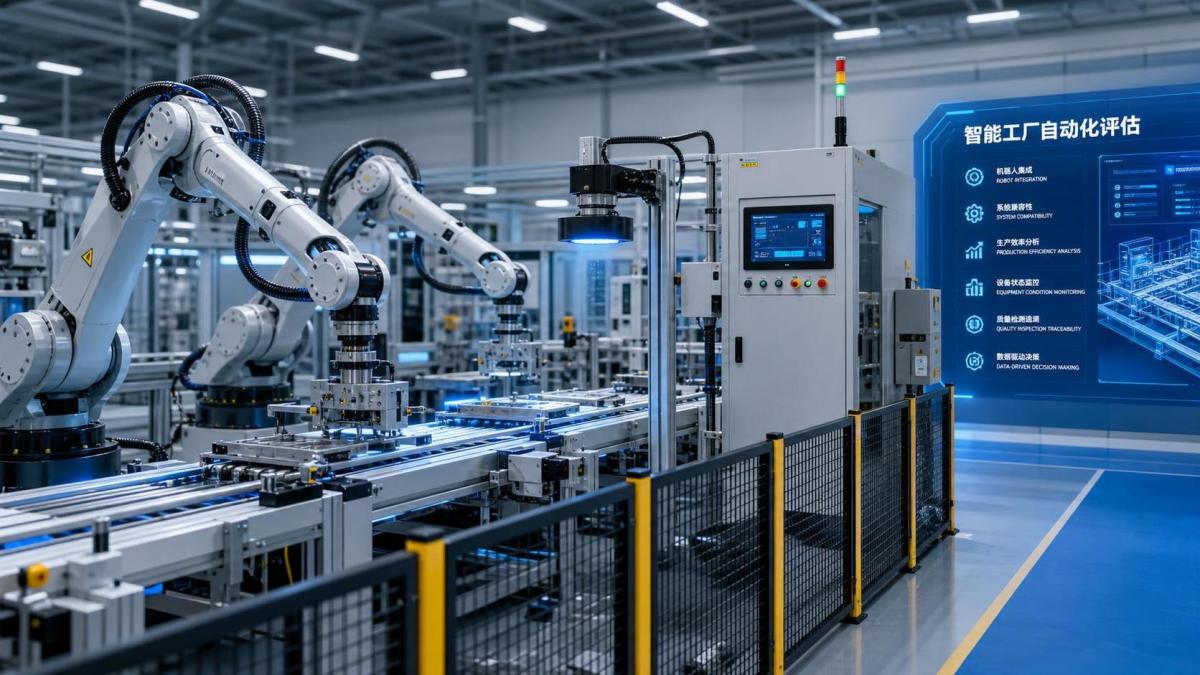
Choosing the right robotics integration integrator can decide whether an automation project scales cleanly or stalls under rework, downtime, and budget drift.
That is why evaluation should start with engineering evidence, not sales language.
A capable robotics integration integrator does more than install robots.
The partner must connect controls, tooling, vision, safety, data, and operator workflow into one stable production system.
In real factory environments, the biggest risks usually appear between systems, not inside a robot datasheet.
This also means the best robotics integration integrator is often the one that asks harder questions earlier.
Start with Process Fit, Not Vendor Reputation
Many teams begin with brand familiarity.
That is understandable, but it is rarely enough for a sound selection decision.
A robotics integration integrator should show clear experience with your actual process conditions.
Those conditions may include welding spatter, washdown, high-mix assembly, machine tending, palletizing, or traceability requirements.
Ask for examples that match cycle time, payload, takt variation, upstream equipment, and quality constraints.
A strong answer will describe process assumptions, failure modes, and achieved line performance.
A weak answer usually stays at the level of robot brands and general industries served.
Questions that reveal real process understanding
- What product variation did the cell handle, and how was changeover managed?
- What first-pass yield and uptime were achieved after ramp-up?
- Which bottlenecks were discovered during commissioning?
- How were fixtures, vision, or end-of-arm tooling adjusted after FAT or SAT?
- What operator interventions remained after launch?
Verify Technical Depth Across the Full Automation Stack
A robotics integration integrator should be evaluated as a systems engineer, not only as a mechanical builder.
The project outcome depends on how well the partner handles cross-disciplinary integration.
That includes PLC architecture, robot programming, safety logic, HMI design, network layout, sensor selection, and data exchange with MES or ERP.
From recent market changes, a more obvious signal is software maturity.
Factories now expect not only automation, but also diagnostics, remote support readiness, and production visibility.
A qualified robotics integration integrator should explain how alarms are structured, how logs are stored, and how root-cause analysis is supported.
Technical areas worth testing during evaluation
- Controls compatibility with your existing PLC and SCADA standards.
- Safety design using documented risk assessment and applicable standards.
- Vision system robustness under plant lighting, dust, vibration, and part variation.
- Tooling maintainability, wear monitoring, and spare parts planning.
- Data architecture for OEE, downtime tracking, and recipe control.
If the robotics integration integrator cannot explain these interfaces with precision, future support will likely become reactive and expensive.
Assess Engineering Methodology and Project Control
Good execution rarely comes from talent alone.
It comes from repeatable engineering process.
When comparing firms, ask each robotics integration integrator to walk through its delivery model from concept to handoff.
You want to see design reviews, simulation use, drawing release control, software version management, and escalation rules.
This matters because factory automation delays often begin with small specification gaps.
By the time those gaps surface on the floor, schedule recovery becomes difficult.
Look for these project controls
- Clear responsibility matrix for mechanical, electrical, controls, and site work.
- Formal requirement freeze points and change-order triggers.
- FAT checklist tied to contractual performance metrics.
- SAT criteria tied to actual production conditions.
- Training, documentation, and maintenance handover plan.
A disciplined robotics integration integrator will usually provide sample templates without hesitation.
That level of transparency is often a strong sign of delivery maturity.
Measure Performance with Specific, Comparable Indicators
Selection becomes easier when every robotics integration integrator is compared using the same scorecard.
This reduces bias and keeps technical reviews grounded in measurable outcomes.
In practice, the most useful indicators combine engineering capability, execution reliability, and lifecycle support.
This style of comparison helps separate a polished proposal from a dependable robotics integration integrator.
Watch for Commercial and Technical Risk Signals
Not every risk appears in a technical presentation.
Some of the most expensive problems emerge from commercial structure, subcontracting, or support coverage.
A robotics integration integrator may have strong application engineers but weak field execution.
Another may depend heavily on external programmers or panel builders without clear accountability.
This is where careful reference checks become useful.
Common warning signs
- Quoted cycle times without stated assumptions.
- No clear boundary between integrator scope and plant responsibilities.
- Limited willingness to share validation methods or prior performance data.
- Support model that depends on one key programmer.
- Large custom design effort with minimal simulation or proof concept.
A serious robotics integration integrator should be able to discuss constraints openly.
That honesty usually lowers project risk more than aggressive promises ever can.
Use a Structured Final Selection Approach
By the final round, the goal is not to find a perfect supplier.
The goal is to identify the robotics integration integrator most likely to deliver repeatable results in your operating reality.
That decision should combine technical review, plant stakeholder input, and commercial terms.
It should also reflect long-term ownership cost, not just purchase price.
A practical decision framework
- Define must-have technical requirements before reviewing proposals.
- Score each robotics integration integrator against the same weighted criteria.
- Interview engineering leads, not only sales contacts.
- Visit a reference site with a similar process if possible.
- Tie contract payment milestones to verified performance events.
For organizations guided by data-first procurement, this approach aligns with the same principle TechStat Vanguard continues to emphasize.
Parameters matter because real production outcomes depend on them.
When selecting a robotics integration integrator, the best decision usually comes from evidence around tolerance, uptime, response, and control discipline.
Use that evidence early, ask for engineering truth, and the factory automation project will have a far better chance of reaching stable ROI.
Search News
Hot Articles
- Carbon Fiber StructuresHow to Specify Aerospace Carbon Fiber Assemblies for Lightweight, Load-Bearing PartsJul 11, 2026
- Machine VisionXiaomi, Alibaba DAMO Academy Drive Open-Source Robotics Model Ecosystem, Lowering Algorithm Development Barriers for Overseas SMEs Adopting Chinese Robotics SolutionsMar 30, 2026
- Cobots & ArmsShanxi 'AI+' Conference Showcases Embodied Intelligence with Multinational Buyer Engagement: Key Industry ImplicationsMar 30, 2026
Popular Tags
Recommended News
 Jul 11, 2026How to Specify Aerospace Carbon Fiber Assemblies for Lightweight, Load-Bearing PartsAerospace carbon fiber assemblies: learn how to specify laminate design, load data, joining methods, and inspection controls for lighter, reliable load-bearing aerospace parts.Elena Rostova (UAV Systems Researcher)
 Mar 30, 2026Xiaomi, Alibaba DAMO Academy Drive Open-Source Robotics Model Ecosystem, Lowering Algorithm Development Barriers for Overseas SMEs Adopting Chinese Robotics SolutionsXiaomi & Alibaba DAMO Academy's open-source robotics models lower algorithm barriers for global SMEs. Boost efficiency in manufacturing, logistics & smart retail with ROS 2 compatible solutions.TSV Data Lab
 Mar 30, 2026Shanxi 'AI+' Conference Showcases Embodied Intelligence with Multinational Buyer Engagement: Key Industry ImplicationsShanxi 'AI+' Conference highlights embodied intelligence with Tesla, Ubtech & Jiantao showcasing multimodal robotics. 40+ global buyers validated tech on-site, creating new B2B channels for industrial automation & AI solutions.Chen Wei (Automation Lead Engineer)
 Mar 30, 2026Zhongguancun Unveils 6G Integrated Sensing-Computing-Intelligence Platform to Empower Embodied Robots for Global Industrial ApplicationsZhongguancun's new 6G platform revolutionizes industrial robotics with <10ms latency, empowering global automotive, logistics & port automation. Discover how this tech boosts China's smart manufacturing exports.TSV Data Lab
 Mar 30, 2026Mech-Mind Tianjin Embodied Intelligence R&D and Production Base Goes Live, Cutting Delivery Time by 20%–30% for Global Customized AMR+Vision SolutionsMech-Mind's Tianjin AMR+Vision production base cuts delivery time by 20%-30% for欧美 & Latin American markets. Discover how this PLd-certified facility accelerates customized robotics solutions for smart manufacturing and logistics.Chen Wei (Automation Lead Engineer)
 Mar 30, 2026Boao Forum Reveals 'Co-evolution of Big and Small Brains' Trend in Humanoid Robots, China's Embodied Intelligence Accelerates Adaptation to Overseas Manufacturing Service ScenariosDiscover how China's humanoid robots, featuring 'Co-evolution of Big and Small Brains,' are revolutionizing global manufacturing. Learn about Embodied Tian Gong 3.0's ISO compliance and overseas deployment at Boao Forum 2026.Chen Wei (Automation Lead Engineer)
 Mar 30, 2026China Railway Industrial Secures Patent for Embodied Robotics in Material Handling, Boosting High-Precision Delivery Capabilities for Overseas Infrastructure and Manufacturing ProjectsChina Railway Industrial's new patent for embodied robotics in material handling boosts high-precision delivery for global infrastructure & manufacturing. Discover how this innovation enhances logistics accuracy in automotive, rail transit & EPC projects.Chen Wei (Automation Lead Engineer)
 Oct 19, 2026Choosing a Radar Sensor by Application: Range, Resolution, and Field of ViewSimplify radar sensor application based product selection. Compare range, resolution, and field of view to avoid blind spots and choose with confidence. Explore the guide.TSV Data Lab
 Oct 18, 2026Comparing Material Options for Procurement: Specs, Costs, and Supply RisksExplore procurement oriented technical content on material options, specs, costs, and supply risks. Compare alternatives to cut hidden expenses and make confident sourcing decisions.Dr. Marcus Vance
 Oct 17, 20265-Axis CNC Positioning Accuracy: How to Interpret ISO 230-2 Test ResultsAssess 5 axis CNC machining positioning accuracy with ISO 230-2. Learn to interpret repeatability, reversal error, and test conditions to compare suppliers and make confident acceptance decisions.Dr. Marcus Vance
 Oct 16, 2026Choosing a Rugged Edge AI Box Supplier: Thermal Tests and Lifecycle SupportChoose a rugged edge AI box supplier with proven thermal performance and reliable lifecycle support. Discover the tests and commitments to verify before you buy.TSV Data Lab
 Oct 15, 2026R&D Cost Reduction Services: How to Evaluate Fees, Savings, and ROIEvaluate R&D cost reduction services with confidence. Compare fees, verify savings, and calculate ROI without compromising performance. Discover how to choose a provider that delivers real value.Chen Wei (Automation Lead Engineer)
 Oct 19, 2026How Do You Verify That Precision Machined Parts Meet Tolerances?Master precision machining tolerance verification with the right tools, datum setups, and acceptance rules. Learn how to validate parts confidently and reduce costly inspection errors.Dr. Marcus Vance
 Oct 18, 2026What Should an AS9100 Machining Supplier Checklist Include?Build an AS9100 machining supplier checklist that verifies capability, traceability, inspection, and outsourced processes. Discover what to check before approving your next aerospace supplier.Dr. Marcus Vance
 Oct 17, 2026How Should You Interpret Industrial Robot Repeatability Specs?Decode industrial robot repeatability specifications, understand ISO 9283 test conditions, and avoid costly selection mistakes. Learn how to verify performance for your process.Chen Wei (Automation Lead Engineer)
 Oct 16, 2026How Can You Fairly Compare MTBF Across Industrial Servo Motors?Make a fair industrial servo motor MTBF comparison with matched operating profiles, failure criteria, and confidence bounds. Discover how to assess reliability beyond advertised numbers.Chen Wei (Automation Lead Engineer)
 Oct 15, 2026How Should You Compare TechStat Vanguard 5-Axis CNC Tolerances?TechStat Vanguard 5-axis CNC tolerance comparison: learn how to verify part accuracy, assess inspection evidence, and choose suppliers that reliably meet your drawing requirements.Dr. Marcus Vance
 Oct 14, 2026Drone Frame Composites: Carbon Fiber vs. Fiberglass for Weight and StiffnessExplore drone structural materials composites: compare carbon fiber and fiberglass for weight, stiffness, cost, and antenna compatibility. Find the right material for your drone frame.Elena Rostova (UAV Systems Researcher)
 Oct 13, 2026Smart Cameras vs. PC-Based Machine Vision: Which Fits High-Speed Inspection?This industrial product comparison for machine vision weighs smart cameras vs. PC-based systems on latency, throughput, and cost. Discover your best fit for high-speed inspection.TSV Data Lab
 Oct 12, 2026How to Verify RoHS Compliance in Industrial Sensing Systems Before DeploymentRoHS compliant sensing systems: learn how to verify materials, supplier declarations, testing, and configuration controls before industrial deployment.TSV Data Lab
 Oct 11, 2026How Procurement-Oriented Content Taxonomy Improves B2B Buying JourneysProcurement-oriented content taxonomy streamlines B2B buying journeys with clearer evidence, supplier comparisons, risk visibility, and faster approvals.TSV Data Lab
 Oct 10, 2026How to Select a Machine Performance Monitoring Platform for OEE and Downtime ReductionMachine performance monitoring platform selection guide: validate machine states, OEE data, downtime reasons, integrations, and scalability to reduce losses with confidence.TSV Data Lab
 Oct 08, 2026How to Machine Inconel 625 Blades Without Heat Cracks or Edge ChippingInconel 625 blade machining guide: prevent heat cracks, edge chipping, chatter, and work hardening with proven tooling, cooling, fixturing, and inspection strategies.Dr. Marcus Vance
 Oct 07, 2026How to Evaluate an HMI Panel Distributor for Industrial Automation ProjectsHMI panel distributor evaluation guide: verify technical compatibility, traceability, supply reliability, lifecycle support, and total cost for automation projects.Victor Lin (Chief Software Architect)